
Food processing equipment requires consistent performance and strict safety standards. Lubrication plays a direct role in both. A poor product choice or inconsistent application can slow production, increase wear, and raise compliance concerns.
This complete checklist for food-grade lubes helps maintenance teams, buyers, and resellers make informed decisions that support both performance and safety.
Why Food Grade Lubes Matter in Industrial Settings
Lubricants used in food environments support moving parts under demanding conditions while helping operations meet safety expectations. Equipment such as conveyors, mixers, bearings, and chains relies on proper lubrication to reduce friction and maintain efficiency.
Buyers across manufacturing, government, and distribution sectors often manage several priorities at once. They handle uptime, inventory, compatibility, and supplier reliability. A structured checklist gives teams a consistent process to follow across locations and purchasing cycles, without second-guessing product decisions.
Start With Product Classification and Documentation
Every selection should begin with a clear understanding of product classification. Food-grade lubricants must align with the intended application, especially in areas where incidental contact may occur.
Review product documentation closely before making a decision. Technical data sheets, manufacturer guidance, and facility requirements all shape whether a lubricant fits the job. Teams that skip this step often face delays, shipment rejections, or additional costs from reordering the correct product.
Clear documentation also supports audits and internal reporting. When teams keep records organized, they reduce friction between procurement and maintenance while improving accountability across departments.
Match Lubricants to Equipment Conditions
Each piece of equipment operates under different conditions. Speed, load, and environment all influence lubricant performance. A product that performs well in one system may fall short in another.
Maintenance teams should evaluate how the equipment runs during daily operation. High-speed systems require different lubrication than slow-moving, high-load components. Equipment exposed to water or routine cleaning cycles often needs stronger resistance to washout and corrosion.
Environmental factors such as dust, humidity, and temperature swings also affect performance. When teams match the lubricant to real operating conditions, they extend equipment life and reduce unplanned maintenance.
Confirm Compatibility Before Switching Products
Compatibility remains one of the most common concerns among lubricant buyers. A mismatch between lubricants or materials can lead to seal damage, product breakdown, or contamination inside the system.
Before introducing a new product, review its interactions with seals, plastics, coatings, and any residual lubricant already in use. Teams should also plan for proper changeover procedures, including flushing systems when needed.
Taking time to confirm compatibility prevents avoidable failures and protects long-term equipment performance. It also reduces the need for reactive troubleshooting, which often interrupts production schedules.
Evaluate Viscosity and Performance Requirements
Viscosity affects how a lubricant flows, clings to surfaces, and protects equipment under stress. Selecting the right viscosity helps maintain a stable film between moving parts, which reduces wear and heat.
Teams should assess operating temperatures, load demands, and exposure to moisture when selecting a product. Applications involving vertical surfaces or continuous motion may require lubricants that remain in place without breaking down.
Performance also depends on how the lubricant responds under pressure. Products used in high-load environments must maintain consistency without thinning out or losing protective qualities. A detailed evaluation at this stage leads to more reliable equipment performance over time.
Manage Shelf Life and Inventory With Care
Shelf life plays a direct role in purchasing decisions, especially for bulk buyers and government contracts. Products must arrive with enough usable life to support planned maintenance schedules and storage timelines.
Buyers should confirm the manufacturer's shelf life, review batch details, and ask suppliers about the remaining usable life before shipment. This step helps avoid receiving products that cannot meet operational needs.
Storage practices also affect how long a lubricant performs as expected. Teams should keep containers sealed, store them in clean and dry environments, and label inventory clearly. A structured rotation system helps prevent older stock from sitting unused while newer products get opened first.
Strong inventory control reduces waste, supports budget planning, and keeps maintenance teams supplied with ready-to-use products.
Apply Lubricants With Precision
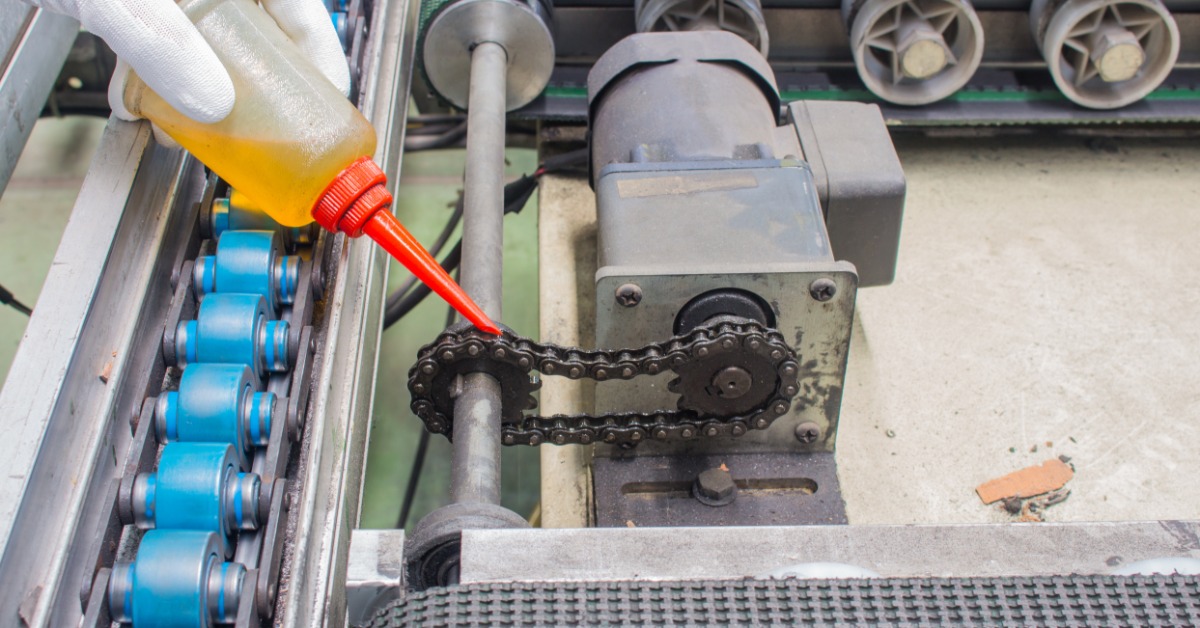
Application methods influence performance as much as product selection. Over-application can create buildup that attracts debris, while under-application increases friction and accelerates wear.
Maintenance teams should follow consistent procedures when applying lubricants across equipment. This includes using the correct method, applying the recommended amount, and sticking to proper service intervals.
Clear documentation and internal training help teams maintain consistency across shifts. When every technician follows the same process, equipment performance becomes more predictable and easier to manage.
Reduce Risk of Cross-Contamination
Facilities that handle multiple lubricants must prevent cross-contamination. Mixing products or applying the wrong lubricant can create operational issues that affect both equipment and product quality.
Simple controls can reduce these risks:
- Use color-coded containers and tools
- Assign dedicated grease guns to each product
- Label storage areas clearly
- Maintain equipment-specific lubrication charts
- Train staff on proper handling procedures
These practices help teams maintain clean operations and reduce the chance of costly mistakes during maintenance tasks.
Work With a Knowledgeable Supplier
A strong supplier relationship supports better purchasing decisions and long-term operational success. Buyers need access to product availability, technical guidance, and reliable delivery timelines.
Santie Oil Company supplies industrial lubricants, greases, and specialty products to customers across manufacturing, government, and resale sectors. Their broad inventory helps buyers source both common and hard-to-find products while maintaining a steady supply.
Before placing an order, buyers should confirm stock availability, shelf life, and application fit. Suppliers that provide clear answers and technical support help teams avoid delays and improve purchasing confidence.
Common Lubrication Mistakes to Avoid
Many equipment issues start with small oversights during product selection or handling. These mistakes often lead to downtime, higher maintenance costs, and wasted product.
Watch for these common issues:
- Choosing products based on price alone
- Skipping compatibility checks
- Ignoring shelf life requirements
- Using one lubricant across multiple applications
- Applying incorrect amounts
- Failing to label products clearly
Teams that stay aware of these risks can correct issues early and maintain smoother operations.

When a Food Safe Lubricant Makes Sense
Certain environments require products designed for sensitive applications where incidental contact may occur. In these cases, a food-safe lubricant supports both operational performance and safety expectations.
Facilities engaged in food processing, packaging, or handling should select lubricants suitable for the specific application. This strategy minimizes risks, supports compliance, and ensures consistent product quality throughout production lines.
Build a Repeatable Process for Better Results
Consistency drives better outcomes in lubrication management. Teams that follow a clear process reduce errors, improve equipment performance, and simplify purchasing decisions. This complete checklist for food-grade lubes provides a reliable framework that teams can apply across different facilities and equipment types.
When teams align product selection, storage, and application practices, they create a stronger system that supports long-term performance. That level of consistency helps operations remain efficient while meeting the expectations of food-grade environments.