Cleaning performance affects uptime, safety, and equipment life. Many teams rely on habit when selecting products, which often leads to wasted effort and inconsistent results. Having a clear understanding of how to use solvent versus water-based cleaners helps you select the right method for each task.
Achieve optimal cleaning on your first attempt by reviewing our quick guide on using these cleaners effectively in industrial settings.
Why Cleaner Selection Impacts Performance And Cost
Each cleaning task depends on the contaminant, surface, and environment. If these factors don’t match the cleaner, performance declines and costs increase. Even minor mismatches can cause repeat work and waste.
Poor choices also harm long-term equipment health, leading to residue buildup, surface damage, and longer cleaning times, which slow operations and raise labor costs.
Poor selection can lead to:
- Residue left behind on equipment
- Surface damage or corrosion
- Longer cleaning cycles
- Increased product usage
The right cleaner supports faster workflows and more consistent results across your operation.
What Sets Solvent-Based And Water-Based Cleaners Apart
Solvent-based cleaners dissolve grease, oil, and adhesives through chemical action, efficiently breaking down impurities and making them easy to rinse away. In contrast, water-based cleaners rely on mild detergents and surfactants to lift contaminants from surfaces.
These particles stay suspended in water until rinsed or wiped off, ensuring a smooth and efficient cleaning process. Recognizing these differences can help you select the most suitable cleaner for your needs and understand how each performs in everyday situations.
When Solvent-Based Cleaners Deliver Better Results
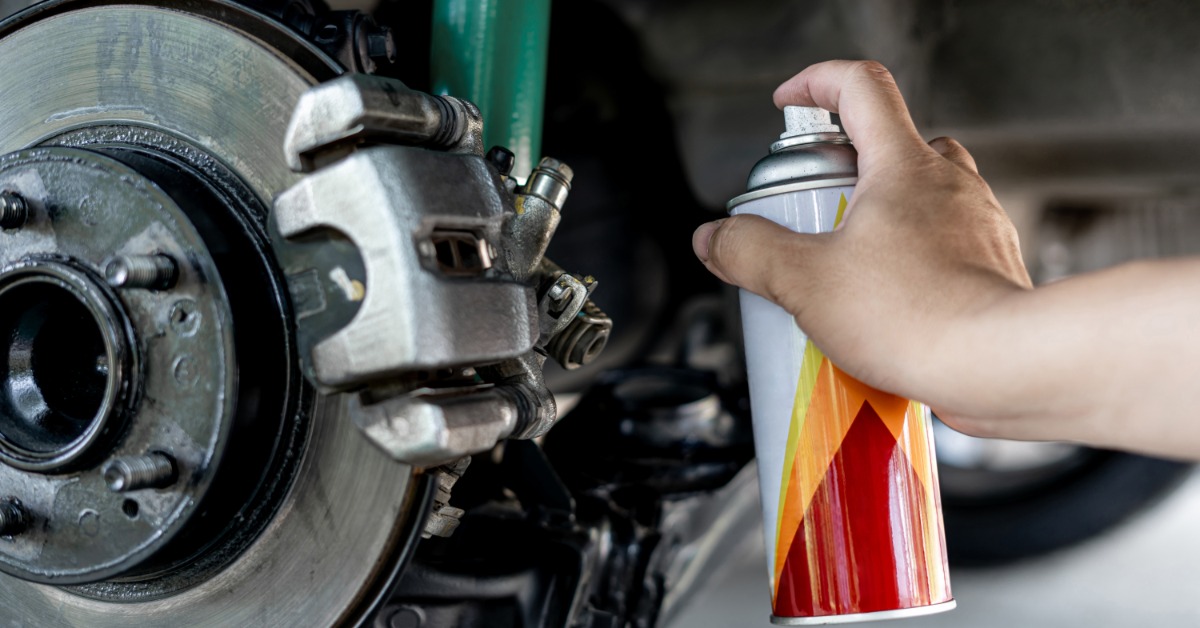
Solvent cleaners efficiently break down thick grease and oil, outperforming other products. They quickly penetrate buildup, minimizing the need for multiple applications.
Maintenance teams frequently use solvents for repairs or cleaning parts. Their fast drying time ensures equipment can be quickly returned to operation without moisture-related delays.
Use solvent cleaners when you face:
- Heavy petroleum-based buildup on machinery
- Engine components coated in grease
- Adhesives, tar, or sealants
- Situations that require fast drying
Solvents work well in moisture-sensitive environments, though teams should always follow proper ventilation and handling practices.
When Water-Based Cleaners Make More Sense
Water-based cleaners facilitate regular cleaning and safer handling. They are most effective on light soils and in settings where strong chemicals pose hazards.
Facilities with frequent cleaning needs often rely on these products because they help keep surfaces clean without emitting strong fumes or posing a flammability risk.
Use water-based cleaners for:
- Dirt, dust, and mild oil residue
- Food processing and regulated environments
- Painted or coated surfaces
- Indoor cleaning with limited airflow
Teams should plan for rinsing and drying, as moisture can affect equipment if left unmanaged.
Key Factors That Should Guide Your Choice
Cleaner selection requires more than identifying the contaminant. Surface type, drying needs, safety conditions, and workflow all influence performance. A mismatch in any of these areas can lead to poor results, added labor, or surface damage.
Taking a few extra moments to evaluate these factors helps prevent rework and keeps cleaning processes consistent across your operation.
Type Of Contamination
Start by identifying what you need to remove. Oil, grease, and adhesive residues require stronger chemical action, which makes solvent cleaners a better fit. Lighter soils such as dust, dirt, or diluted oils respond well to water-based solutions.
Mixed contamination can complicate the process. In those cases, teams may need to use a combination approach or select a cleaner designed to handle multiple residue types.
Surface Material
Different materials react differently to cleaning agents. Metals often handle both cleaner types well, but plastics, rubber, and coated surfaces require more attention.
Some solvents can weaken or discolor sensitive materials. Water-based cleaners may leave residue or spotting if rinsing is incomplete. Always test a small area before full application to confirm compatibility.
Drying Time Requirements
Drying time directly affects workflow. Solvent cleaners evaporate quickly, which allows equipment or parts to return to service faster. This speed makes them useful in maintenance and repair settings.
Water-based cleaners require additional time for rinsing and evaporation. In high-volume operations, this extra time can slow production if not planned properly.
Safety And Ventilation
Safety conditions should always guide cleaner selection. Solvent cleaners often require controlled airflow, proper storage, and protective equipment due to fumes and flammability.
Water-based cleaners reduce many of these risks, which makes them easier to handle in enclosed environments. However, teams still need to manage skin contact, proper disposal, and slip hazards from wet surfaces.
Application Methods That Improve Cleaning Results
Application method affects how well a cleaner performs. Even a high-quality product can underdeliver if applied incorrectly.
Teams should match the method to the level of contamination and the surface size. This approach improves consistency and reduces waste.
Common Methods Used In Industrial Settings
- Spray application: Targets specific areas for quick cleaning
- Soaking: Breaks down heavy buildup over time
- Wiping: Allows controlled, precise application
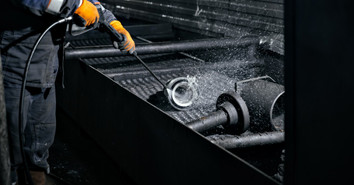
- Pressure washing: Cleans large surfaces efficiently
Proper dilution, dwell time, and coverage all play a role. Small adjustments in technique often lead to better results without increasing product use.
Common Mistakes That Reduce Cleaning Efficiency
Routine habits often lead to avoidable mistakes. Over time, these issues reduce efficiency and increase operational costs.
Many teams apply more product rather than adjusting their technique. Others skip compatibility testing, which can damage surfaces or coatings.
- Using solvent cleaners on sensitive materials
- Skipping compatibility testing before full application
- Over-diluting water-based cleaners
- Ignoring ventilation requirements
- Applying more product instead of improving technique
Correcting these habits helps improve consistency and reduce unnecessary waste.
Comparing Cost, Safety, And Performance
Each cleaner type offers advantages depending on the situation. Solvent cleaners deliver fast results and reduce drying time, which helps during maintenance and repair work.
Water-based cleaners support safer handling and lower fire risk. They work well for routine cleaning, though they may increase labor time due to rinsing and drying.
Many operations use both. This approach allows teams to handle heavy buildup with solvents while managing daily cleaning with water-based solutions.
How To Build A More Effective Cleaning Process
A structured process improves results and reduces guesswork. Teams that follow a clear approach make faster and more accurate decisions.
Start with these steps:
- Identify the contaminant and surface
- Select the appropriate cleaner type
- Choose the right application method
- Train staff on proper use
- Review results and adjust when needed
Understanding how to choose between solvent and water-based cleaners in your workflow helps keep operations efficient as they evolve.
Choosing The Right Products For Your Operation
Cleaner performance depends on both product quality and availability. Working with a reliable supplier helps you find the right solution without delays or inconsistencies.
Santie Oil Company offers a wide selection of industrial cleaners and degreasers designed for demanding applications. Their inventory supports both routine maintenance and specialized cleaning needs.
Get The Right Cleaner For The Job
The right cleaner improves efficiency, protects equipment, and supports safer operations. When your team understands how each option works, you gain better control over performance and cost.
Connect with Santie Oil Company to find cleaning solutions that match your operation and keep your equipment running at its best.