

Biodegradable oil can promote cleaner operation; however, like any industrial lubricant, it must fulfill the fundamental requirement of protecting equipment during use. That balance matters most when machinery runs outdoors, faces the risk of leaks or spills, or operates in areas where disposal and environmental impact require closer attention.
That’s why proper testing of biodegradable oil performance should begin before the oil enters service. Maintenance and purchasing teams need to look at the machine, the application, and the product details before making a switch.
From there, a structured review can show whether the oil is compatible with the equipment, supports the environmental goal, and makes sense for wider use.
Start With the Equipment, Not the Label
The word “biodegradable” helps describe an environmental benefit, but it doesn’t tell you whether the oil fits a machine. Equipment needs should lead the test.
Start with the lubricant already in use. Check the type, grade, service interval, and operating conditions. A replacement oil should match the equipment’s needs before the team focuses on its environmental benefit.
A gear drive, hydraulic unit, bearing, and chain system each place different demands on the oil. Heat, load, moisture, and operating hours also affect how a lubricant performs.
If the current oil supports smooth operation, use it as the comparison point. If the current oil causes problems, record those issues before testing the biodegradable option. That gives the team a cleaner view of what changed during the trial.
Match the Product to the Application
Product category matters; treat biodegradable gear oil differently from multi-purpose oil. A degreaser shouldn’t be reviewed like a lubricant inside a machine. Match products to their applications by considering where, how often, and exposure levels.
Outdoor equipment requires closer review due to rain, dust, and temperature swings affecting lubricants. Proper application review prevents rushed changeovers; a product may be environmentally friendly, but still inadequate if it doesn’t suit the machine. The aim is a cleaner operation that protects uptime.
For operations that use oil and biodegradable grease, test each product for its own job. Oil often circulates through a system, while grease stays at a lubrication point. Those differences affect how teams judge performance.
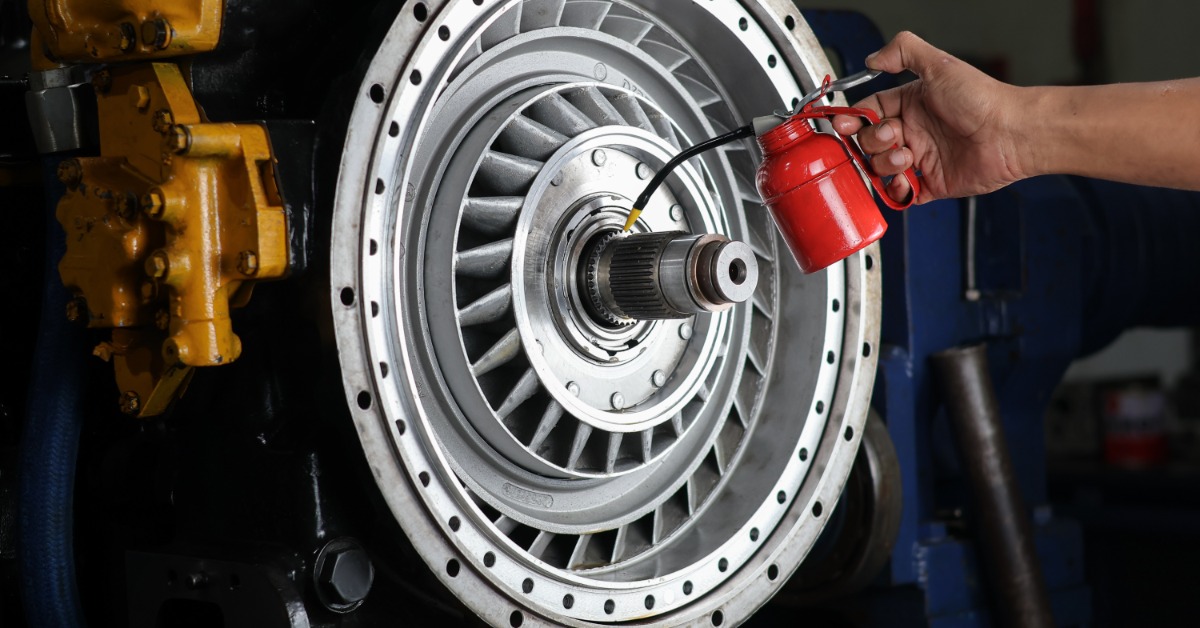
Set the Environmental Goal Before Testing
Biodegradable oil testing should have a clear purpose, whether it's to ensure products decompose easily after environmental exposure or to minimize leaks, spills, or disposal concerns. Documenting the goal beforehand helps the team assess the product fairly.
For example, a shop may choose an eco-friendly cleaner for routine service, an industrial site might need a lubricant for outdoor or soil-contact applications, and a government fleet may look for products that fit internal policies.
The environmental objective should steer the testing process, but shouldn’t override performance criteria. The oil must still effectively reduce friction, prevent wear, and support efficient operation.
Inspect the Machine Before the Oil Change
A weak system can make good oil appear bad. Dirty reservoirs, residue, leaks, poor breathers, worn seals, or contaminated containers impact lubricants. Inspect machines before adding oil; check for leaks, overheating, noises, sludge, and filter issues.
Address problems beforehand. Store containers properly—closed, labeled, protected from contamination—to avoid skewing test results. A clean start allows proper assessment of the oil instead of system issues.
Build a Simple Test Plan
A good test plan shouldn’t slow the shop and should provide maintenance and purchasing with the same facts. Set the trial length before oil goes into service, choosing equipment that reflects normal work and isn't already problematic.
Record these details at the start:
- Equipment ID and application
- Product name and category
- Fill date and service hours
- Starting machine condition
- Filter condition
- Any known leaks or repairs
This record gives the team a baseline. Without it, people may rely on memory, and memory can make field results harder to sort.
Monitor Performance During Normal Use
Once the oil is in service, monitor the machine during regular operation. Don’t judge the oil from a single run unless there’s a clear issue. Track temperature, noise, leakage, and response. Check the oil’s appearance regularly. Operators can assist, as they know the normal sounds. Keep notes brief; detailed logs are often ignored.
Use simple logs to ensure they'll be used. Look for patterns, not isolated comments. If the machine runs hotter over time, review the causes. If a leak appears after a change, inspect the seal area to determine whether the issue is related to the oil, the machine, or the process.
Use Fluid Checks When the Program Calls for Them
Fluid checks can strengthen the review. Testing kits and oil condition reviews help teams compare results rather than relying solely on sight or sound.
The plan may include checks for appearance, contamination, service hours, top-off volume, and filter condition. Larger industrial programs may use more formal oil analysis. The right level depends on the equipment, risk, and maintenance standard.
Use the same sampling point each time. A sample from one location may look different from one taken elsewhere in the system. Consistent sampling makes results easier to compare.
Keep the test tied to the application. A light-use machine may not need the same review schedule as equipment that runs long shifts, operates outdoors, or handles heavier loads.
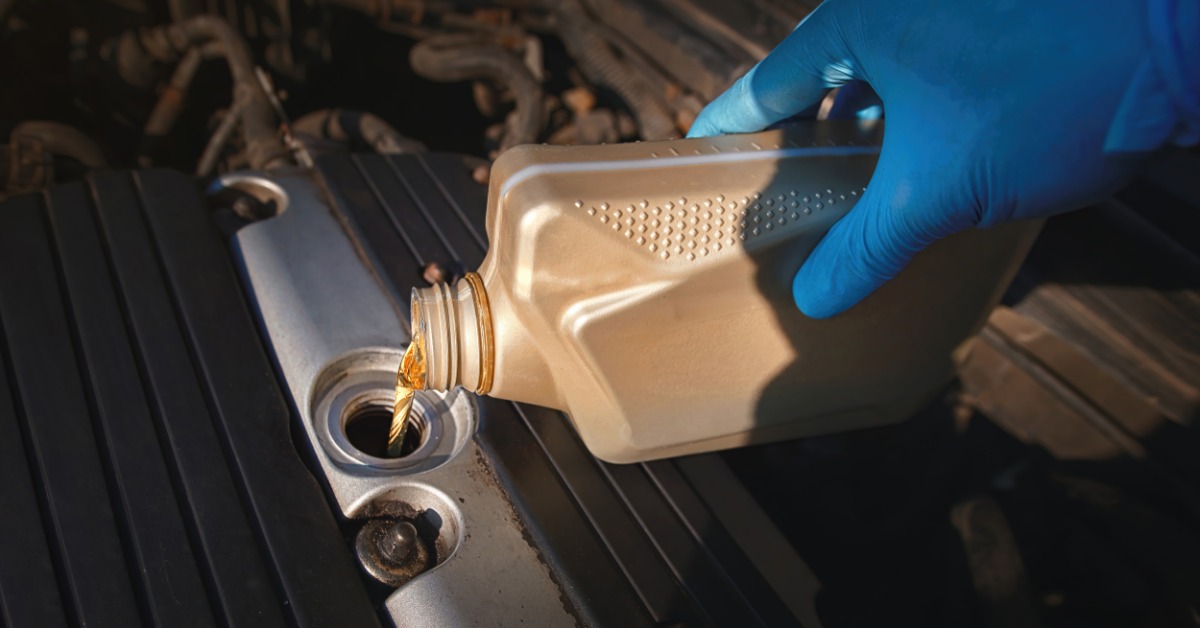
Watch for Fit Across the Full System
Lubricant performance doesn’t stop at the oil itself. The full system matters.
Check seals, hoses, paint, filters, reservoirs, and handling equipment during the trial. If the machine shows swelling, softening, leakage, or changes in residue, record it and review the possible cause.
Product compatibility matters during a switch. Mixing old and new lubricants can also affect performance. When possible, follow a clean changeover process and document what stayed in the system.
A careful review helps teams avoid blaming the product for a poor conversion. It also helps them spot a real mismatch before they use the oil in more equipment.
Compare Results Before Wider Use
A single trial can teach the team a lot, but one machine doesn’t speak for every application. Before expanding, compare the tested machine with the next group of equipment.
Look at operating hours, load, environment, lubricant type, and service needs. If the next machines differ too much, run another small trial before a wider switch.
Set clear pass-fail points. The oil should support normal operation, maintain a consistent appearance, and avoid new patterns of heat, noise, leakage, or service problems. The product should also match the environmental goal that led to the test.
This step helps purchasing and maintenance stay aligned. Purchasing can confirm availability and product details, while maintenance can share field notes from the trial.
Make a Confident Biodegradable Oil Decision
Testing the performance of biodegradable oil properly takes more than just reading a product label. The team needs to match the oil to the equipment, define the environmental goal, inspect the system, and monitor the machine's response under normal operating conditions.
A repeatable process enables teams to select cleaner lubricants while maintaining uptime. It also provides buyers with a clear record for product comparisons or expanding trials to more equipment.
Santie Oil Company offers biodegradable lubricants and other industrial products for operations requiring reliable sourcing and expert support. Contact our team for assistance in choosing the right biodegradable oil for your equipment and application.