

Lubrication is essential for engine health. While both gasoline and diesel engines use internal combustion, their mechanics differ, requiring specific chemical formulations in their motor oils. Mechanics and car owners must understand why one oil type cannot be substituted for the other.
Using the wrong fluid can void warranties and cause mechanical failure. Understanding the differences between gasoline and diesel lubricants for passenger cars is crucial for making the right choice.
How Combustion Processes Affect Oil Formulation
Gasoline engines use spark plugs to ignite an air-fuel mixture, a process that burns cleaner but at higher RPMs. Diesel engines use compression ignition, where highly compressed air is heated to the point that injected fuel ignites spontaneously.
Soot Generation and Dispersants
The high compression in diesel engines produces significant soot, which can damage engine components and thicken the oil. Diesel lubricants contain high levels of dispersants to suspend these soot particles and prevent sludge buildup.
Gasoline engines produce less soot but are more susceptible to varnish and sludge from fuel oxidation, so their oils are formulated to prevent these deposits. Using gasoline oil in a diesel engine would quickly lead to clogged filters and a sludge-filled crankcase.
Heat and Pressure Differences
Diesel engines operate at higher compression ratios, resulting in higher cylinder pressure and temperature. Their oil must resist shearing and breakdown under these extreme conditions.
Diesel oils typically have higher viscosity and more anti-wear additives to protect under heavy loads. Gasoline engines, with lower compression but hotter exhaust, require lower-viscosity oils that reduce friction and flow easily at high RPMs to improve fuel efficiency.

Viscosity Grades and Flow Characteristics
Viscosity is a fluid's resistance to flow, defined by the Society of Automotive Engineers (SAE) with grades like 0W-20 or 15W-40. The number before the "W" (Winter) indicates low-temperature flow, while the second number indicates viscosity at operating temperature.
Low Viscosity for Gasoline Efficiency
Modern gasoline engines are built with tight tolerances that require low-viscosity oils (e.g., 0W-20) to maximize fuel economy. This thin oil flows instantly at startup, reducing wear on components such as overhead cams and tight bearings.
Higher Viscosity for Diesel Protection
Diesel lubricants usually have higher viscosity ratings, such as 15W-40 or 5W-40. This thicker oil provides a robust cushion between metal parts, absorbing shock from high-compression ignition. While some modern light-duty diesel oils use lighter viscosities, heavy-duty oils remain thicker to resist shear.
High-Temperature High-Shear (HTHS)
HTHS viscosity measures how well oil protects under stress. Diesel oils generally have higher HTHS viscosity to prevent metal-to-metal contact under heavy loads. Gasoline oils labeled "Resource Conserving" often have lower HTHS values to maximize fuel efficiency, reducing the safety margin for wear protection.
Additive Packages and Chemical Composition
While base oil is the main component, the additive package determines an oil's performance. These packages include detergents, anti-wear agents, and friction modifiers tailored to specific engine needs.
Total Base Number (TBN) and Acid Neutralization
Diesel fuel contains sulfur, which creates acidic byproducts when burned. Diesel oils have high levels of detergents, measured by the Total Base Number (TBN), to neutralize these acids. A high TBN indicates a substantial alkaline reserve for extended drain intervals. Since gasoline contains very little sulfur, its oil has a lower TBN. Using a high-ash diesel oil in a gasoline engine can damage catalytic converters and foul spark plugs.
Anti-Wear Agents (ZDDP)
Zinc dialkyldithiophosphate (ZDDP) is a primary anti-wear compound. Diesel oils traditionally contain higher levels of ZDDP to handle the high stress on their valve trains. However, the phosphorus in ZDDP harms catalytic converters, so gasoline oil specifications limit ZDDP levels, requiring formulators to use more expensive anti-wear technologies.
Emission System Compatibility
Emission systems are susceptible to oil additives, which can affect their performance. Even small changes in oil composition can affect the emission system's efficiency, making it essential to select additives carefully.
Gasoline Catalytic Converters
Gasoline cars use three-way catalytic converters (TWC) to reduce pollutants. Phosphorus and sulfur from oil can poison the catalyst. To protect them, the API SP standard limits phosphorus content.
Diesel Particulate Filters (DPF)
Diesel vehicles use Diesel Particulate Filters (DPF) to trap soot. Oils with high sulfated ash content will clog these filters, reducing power and potentially damaging the engine. Modern diesel specifications like API CK-4 and FA-4 mandate "Low SAPS" or "Mid SAPS" (Sulphated Ash, Phosphorus, and Sulfur) content to preserve DPFs.
Industry Standards and Classifications
The American Petroleum Institute (API) and the European Automobile Manufacturers' Association (ACEA) set motor oil standards.
API Categories
- Gasoline (S): The current standard, API SP, protects against low-speed pre-ignition (LSPI) in modern turbocharged gasoline engines.
- Diesel (C/F): API CK-4 offers backward compatibility for older engines, while FA-4 is a lower-viscosity oil for fuel economy in newer hardware.
ACEA Sequences
- A/B Sequences: For older gasoline and diesel engines without particulate filters.
- C Sequences: Catalyst-compatible oils (C2, C3, etc.) for both gasoline and diesel engines with DPFs and TWCs, featuring lower ash levels.
The Risks of Interchangeability
It's safest to use separate oils for gasoline and diesel engines. Before purchasing oil, it's essential to know the difference between the two and understand your vehicle's specific requirements. Using the wrong type can risk damaging your engine.
Diesel Oil in Gasoline Engines
While some diesel oils are dual-rated (e.g., API CK-4/SN), using them in a gasoline car is risky. The higher viscosity can reduce fuel economy, and high detergent levels may damage the catalytic converter over time.
Gasoline Oil in Diesel Engines
This is extremely dangerous. Gasoline oils lack the dispersancy for diesel soot and the anti-wear additives for high compression. This leads to rapid sludge buildup, accelerated wear, and potential bearing failure.
Selecting the Correct Lubricant
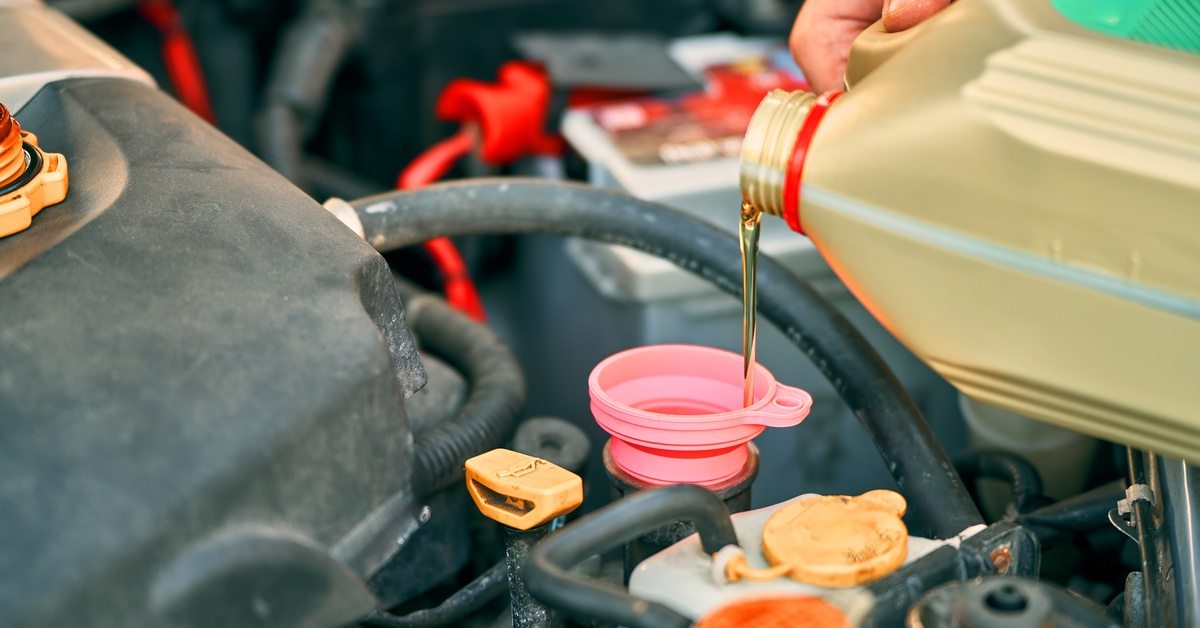
Always follow your owner's manual, which specifies the required viscosity grade and performance standard (API or ACEA). Ignoring these recommendations can jeopardize your vehicle. While "Universal" oils exist, a specialized oil optimized for your engine type offers superior protection for fuel economy, emissions systems, and wear control.
When comparing gasoline and diesel lubricants for passenger cars, the chemical differences are vital. Choosing the wrong oil accelerates wear and reduces efficiency. Using the fluid engineered for your engine's specific combustion cycle ensures better performance and a longer lifespan.
Maintain Your Engine with Quality Fluids
Your vehicle needs precise care. Ignoring oil specifications leads to costly, avoidable damage. By understanding the chemical differences between gasoline and diesel lubricants, you protect your investment.
Whether you own a gasoline sedan or a diesel truck, selecting the proper fluid is the most critical maintenance task. Find high-quality automotive oils at Santie Oil Company to keep your fleet running smoothly.