
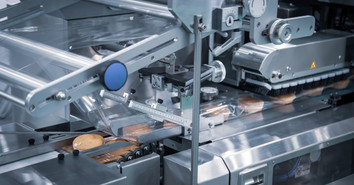
Equipment in production facilities, particularly within the food and beverage industry, endures stress daily. Long operation hours, exposure to harsh environments, and constant high-speed performance demand seamless maintenance strategies. Among these, food-grade lubricants are an important component for enhancing equipment longevity. This blog explains how food-grade lubricants improve equipment longevity and support operational excellence.
What Are Food-Grade Lubricants
Food-grade lubricants are specially designed oils and greases that are safe for use in environments where incidental food contact may occur. What distinguishes food-grade products from standard industrial lubricants is their formulation. They are free from harmful toxins and have certifications from regulatory authorities like NSF International or the USDA under specific categories. For example, NSF H1 certification ensures they are safe for applications where incidental contact with food is possible.
Machine components in food-grade environments face unique pressures. Bearings, gears, and conveyor belts operate under heavy loads and high temperatures. Without lubrication, these components quickly wear down. By introducing food-grade lubricants, businesses conduct clean and efficient operations while meeting stringent regulatory requirements.
The Problems Created by Poor Lubrication
Improper lubrication leads to a range of mechanical issues. First, friction increases between metal components, causing gradual wear and reducing the efficiency of the equipment. Over time, this necessitates frequent part replacements, increasing costs, and downtime. Furthermore, poor lubrication allows contaminants, such as fragments and dust, to enter machinery, risking damage and compromising product safety. Extended periods of operation without a high-performance lubricant additionally result in overheating.
Reduce Equipment Downtime
Machinery breakdowns are costly for any business. Equipment downtime halts productivity, disrupts workflows, and leads to losses that ripple across operations. Food-grade lubricants play a crucial role in preventing these interruptions. They excel at reducing wear, extending service intervals, and supporting smoother functioning components.
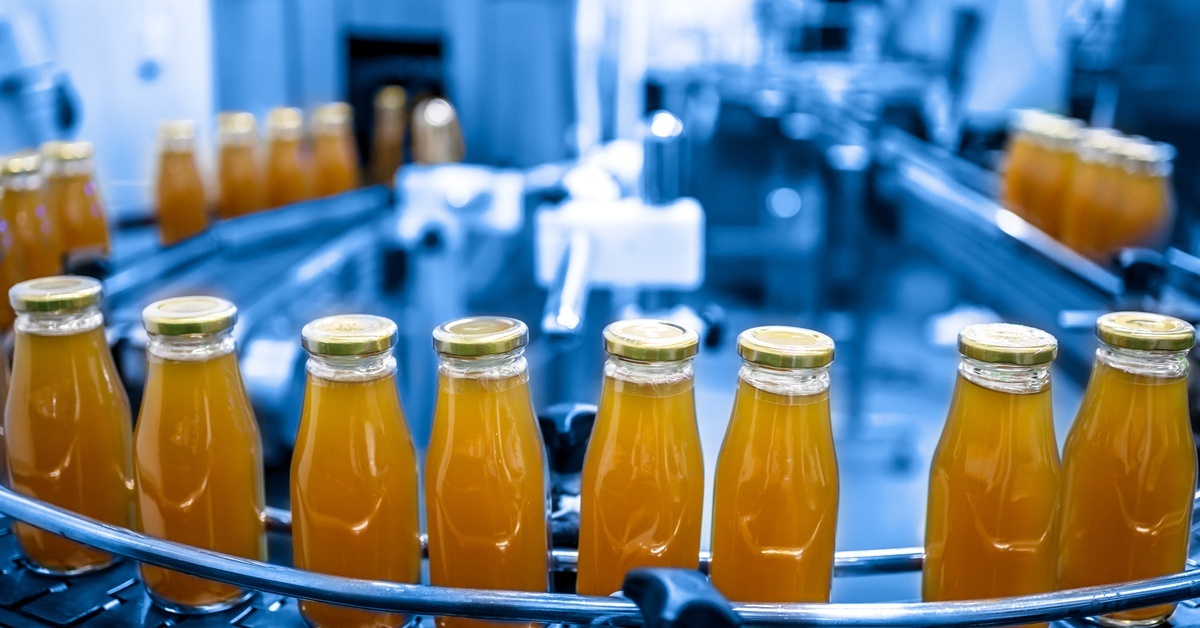
Perhaps a beverage manufacturing plant lacks a thorough maintenance schedule. Conveyor belts transporting bottles could seize during peak productivity periods due to increased friction damage. As a solution, the facility should implement high-quality, food-grade greases to prevent sudden machinery failure.
Improved Performance With Reduced Wear
Lubricants reduce the wear and tear inherent in moving mechanical components. The thin protective layer formed on surfaces minimizes metal-on-metal contact, reducing friction damage. Food-grade formulations include additives to resist oxidation and wear while performing under extreme temperatures.
A dairy processing plant provides a strong example. With equipment frequently exposed to moisture and changing temperatures, components like rotary bearings require robust lubrication. Generic lubricants fail to withstand such challenges, deteriorating quickly with regular washing and sanitation procedures. A food-grade lubricant specifically designed for moist environments ensures the equipment remains functional longer, withstands pressure without breaking, and meets industry hygiene standards.
Regulatory Compliance Benefits
Compliance with modern hygiene and safety standards drives production standards, particularly in sectors sensitive to contamination risks. Lubricants certified safe for incidental contact with food are essential for manufacturers seeking industry accreditations. Certifications like NSF H1 and H3 not only meet internal safety benchmarks but also provide credibility to third-party stakeholders.
For example, a meat packaging company seeking accreditation can face scrutiny over the existing contamination control processes. Failing to use certified lubricants risks regulatory penalties while possibly jeopardizing contracts. The adoption of certified food-grade lubricants demonstrates a proactive commitment to hygiene, which increases the company’s chance of obtaining an accreditation.
Enhanced Resistance to Environmental Challenges
Food-grade lubricants excel under challenging environmental conditions, which are common in food and beverage production lines. This includes exposure to water, extreme heat, and cleaning agents used in daily sanitization. Their advanced formulations resist washout, breakdown, and degradation over time, outperforming traditional alternatives.
Consider a chocolate manufacturing facility where machinery is exposed to extreme heat during the tempering process. Without the right lubricant, the chocolate injection molds may seize. However, heat-resistant food-grade lubricants support smooth operations, even when machinery consistently runs at high temperatures.
Extended Equipment Lifespan
Ultimately, the longevity of equipment depends on the quality of its maintenance. Food-grade lubricants enhance the lifespan of mechanical parts by serving as a robust shield, protecting them from wear, heat damage, and environmental elements. Over time, this translates into considerable savings on replacements and repairs.
For instance, cold storage warehouses can often face equipment failures due to subpar lubrication struggling under freezing temperatures. Freezer-grade, food-safe oils ensure that conveyor systems and fans continue to operate smoothly, deferring replacement and bolstering reliability.
Better Efficiency Across Operations
A well-lubricated machine consumes less energy due to reduced resistance between components. Efficiency gains may seem incremental at first but can have significant long-term impacts on operational costs and sustainability. By integrating food-grade lubricants into maintenance protocols, managers also reduce unnecessary resource consumption.
The Importance of Quality Assurance
Lubricants impact food quality, especially when there is even the possibility of incidental contact during production. Food-grade options comply with taste neutrality standards, ensuring no cross-contamination occurs between lubricants and products. Quality assurance becomes seamless using certified oils.
For example, standard lubricants risk tainting the product with off-flavored residues. Using NSF H1-certified lubricants supports the production of pure, uncontaminated products.
How To Choose the Right Food-Grade Lubricant
The type of lubricant chosen depends on factors such as machinery specifications, environmental conditions, and operational requirements. Manufacturers should evaluate lubricant performance under conditions that mirror real-world applications to ensure compatibility. Read each product’s labels and certifications to identify if it’s a suitable food-safe lubricant.
Commitment to Long-Term Savings
While the initial investment in food-grade lubricants might appear higher compared to conventional options, the long-term cost savings far outweigh the upfront cost. Businesses avoid risks tied to contamination, regulatory noncompliance, and frequent repairs. The cumulative savings over time paint a clear picture of the value of food-safe lubricants.
Manufacturers navigating fluctuating margins find that enhancing equipment longevity is a necessary strategy. Leveraging food-grade solutions makes sure every dollar spent delivers consistent returns in smoother operations and prolonged equipment lifespans.
Takeaway
Food-grade lubricants enhance equipment longevity and maintain the reliability of modern industrial operations. They represent a commitment to safety, efficiency, and quality, so the equipment thrives under challenging conditions while meeting a variety of regulatory requirements according to the food and beverage industry. When adopted as part of proactive maintenance routines, they transform the way businesses approach machine management, delivering lasting benefits across production cycles.
Enhance your productivity while safeguarding quality. Investing in food-grade lubricants today ensures long equipment lifespans and high operational excellence. Take this first step toward upgrading your equipment care strategy and see the difference firsthand.