
Industrial environments demand rigorous protocols when handling chemical solvents. Facility managers and operators must adhere to strict guidelines to prevent injuries, fires, and regulatory violations. Neglecting these standards risks personnel health and operational continuity.
Keep reading to learn everything you need to know about degreasing safety to maintain compliance and protect your workforce.
Mastering Hazard Communication Standards
OSHA’s Hazard Communication Standard (29 CFR 1910.1200) dictates the foundational requirements for chemical safety. Employers must classify chemical hazards and communicate that information to employees. This process begins with the Safety Data Sheet (SDS).
Deciphering The Safety Data Sheet
For every hazardous chemical, the manufacturer must provide a Safety Data Sheet (SDS). It's crucial to review this document before opening any container. Pay close attention to two sections: Section 2, which outlines immediate hazards such as toxicity, flammability, and corrosivity, and Section 8, which specifies required protective equipment.
You should never assume a product is safe based on its smell or appearance. Always read the SDS to understand its chemical makeup and potential dangers. Make sure these sheets are readily available to all employees on every shift. Digital access is acceptable as long as everyone can retrieve the information without delay.
Interpreting Label Pictograms
Container labels provide immediate visual warnings. The Globally Harmonized System (GHS) uses standardized pictograms to convey hazard information.
- Flame: Flammables, pyrophorics, self-heating substances.
- Exclamation Mark: Irritants, skin sensitizers, acute toxicity.
- Corrosion: Skin corrosion, burns, eye damage.
- Health Hazard: Carcinogens, respiratory sensitizers, and target organ toxicity.
Operators must recognize these symbols instantly. Training programs should verify that every staff member understands the meaning behind each pictogram. Labels must remain legible and prominent on all containers, including portable containers used to transfer liquids.
Controlling Flammable Liquid Hazards
Many effective degreasers contain flammable compounds. A small spark is all it takes to ignite solvent vapor, so preventing fires requires strict control of ignition sources and proper handling techniques. Key strategies include managing flashpoints and ensuring proper bonding and grounding of containers.
Managing Flashpoints
A flashpoint is the lowest temperature at which a liquid emits enough vapor to form an ignitable mixture with air. Lower flashpoints present higher risks. Know the flashpoint of your solvent. Keep liquids with flashpoints below 100°F (37.8°C) away from hot surfaces, open flames, and cutting operations.
Bonding And Grounding Containers
Static electricity poses a severe threat during the transfer of Class I liquids. Friction generates static charge as fluid moves through a pipe or nozzle. This charge can arc, igniting the vapors.
Connect the dispensing and receiving containers electrically. This process, called bonding, equalizes the potential between the two vessels. Grounding connects the containers to the earth, draining the static charge. Always bond and ground metal containers before pouring or pumping flammable solvents.
Regulating Ignition Sources
Prohibit smoking in all areas where crews handle flammable liquids. Post conspicuous signs stating "No Smoking" within sight of the operation. Control other ignition sources, such as welding torches, grinding sparks, and non-explosion-proof electrical equipment. Keep these activities at a safe distance from degreasing stations.
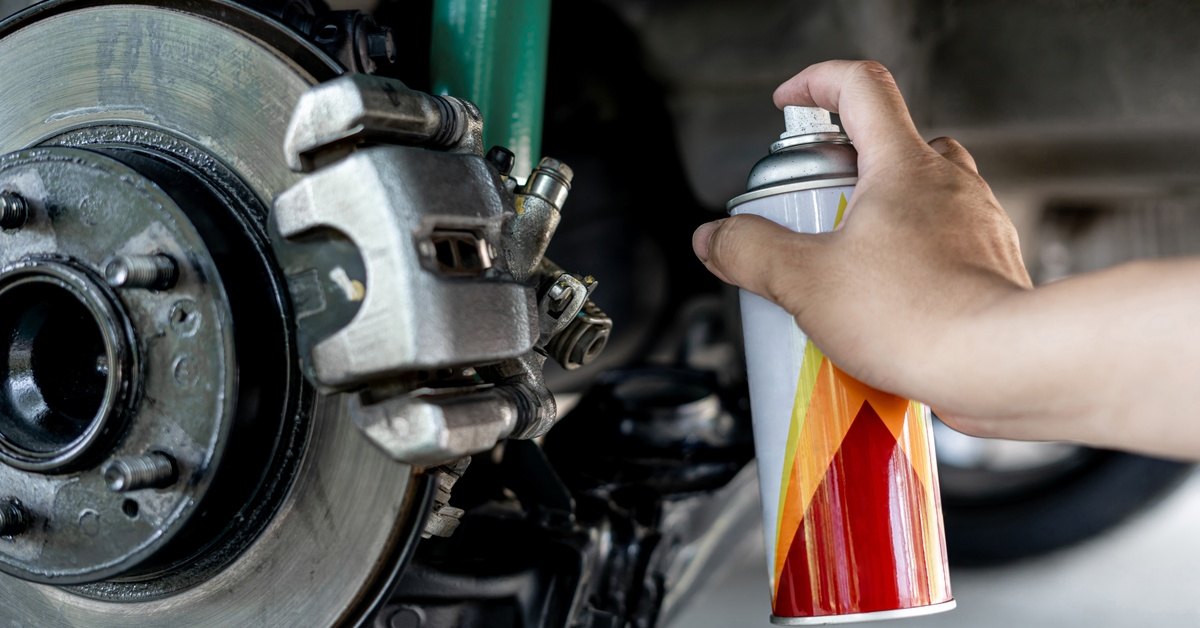
Implementing Proper Ventilation
Solvent vapors accumulate rapidly in enclosed spaces. Inhaling these vapors causes dizziness, headaches, and long-term health issues. High vapor concentrations also increase the risk of explosion.
Limiting Vapor Accumulation
Mechanical ventilation prevents the buildup of flammable mixtures. OSHA requires ventilation systems to limit vapor-air mixtures to the interior of the equipment and the immediate 5-foot area surrounding it. Fans should pull fresh air into the workspace and exhaust contaminated air outdoors.
Confined Space Protocols
Cleaning inside tanks or pits poses a heightened risk. Vapors are often heavier than air and settle in low areas. Never enter a confined space for degreasing without following a permit-required confined space program. Test the atmosphere for oxygen content and toxicity levels before entry. Maintain continuous ventilation throughout the task.
Selecting Personal Protective Equipment
Engineering controls, such as ventilation, provide the first line of defense. Personal Protective Equipment (PPE) protects the worker when exposure is still possible. Select PPE based on the specific chemicals identified in the SDS.
Protecting The Skin
Solvents dissolve natural skin oils, leading to dermatitis and chemical burns. Some chemicals can be absorbed through the skin, causing systemic toxicity. Standard latex gloves often degrade quickly when exposed to industrial solvents.
Choose chemical-resistant gloves made from nitrile, neoprene, or butyl rubber, depending on the solvent. Consult the glove manufacturer’s chemical resistance chart to verify protection times. Inspect gloves for tears or punctures before every use. Replace damaged gloves immediately.
Shielding Eyes And Face
Splash hazards exist whenever crews pour, scrub, or spray liquids. Safety glasses alone usually fail to protect against liquid splashes. Chemical splash goggles form a seal around the eyes, preventing liquid entry.
Add a face shield for high-volume operations or pressurized spraying. This protects the entire face from contact with corrosive or toxic chemicals. Note that a face shield provides secondary protection; operators must wear goggles underneath it.
Respiratory Protection
Respirators are required when ventilation fails to keep exposure below permissible limits. Select the correct cartridge for the contaminant. Organic vapor cartridges are compatible with most solvents, whereas particulate filters are not. Perform a fit test to verify the seal. Implement a written respiratory protection program if your facility requires the use of respirators.
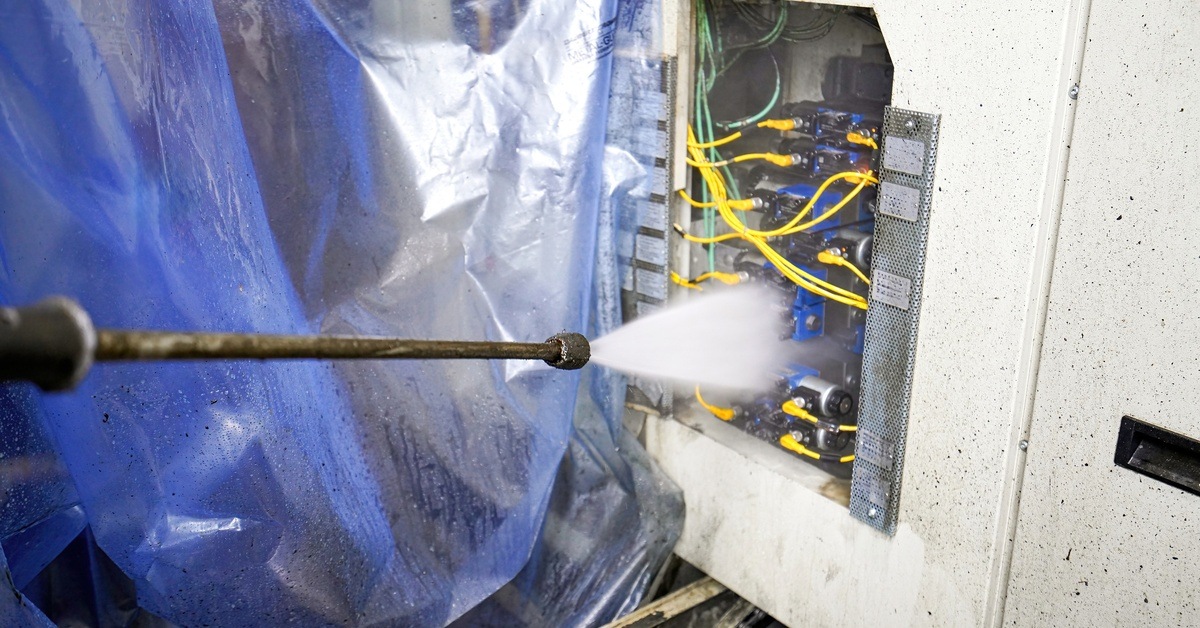
Establishing Storage And Disposal Procedures
Safe operations extend beyond the cleaning process. Storing chemicals correctly and disposing of waste responsibly prevents accidents during downtime.
Storing Flammable Liquids
Limit the quantity of flammable liquids located outside of storage cabinets. Regulations limit the amount of Category 1, 2, or 3 flammable liquids stored in a single fire area. Use approved flammable storage cabinets. These double-walled metal cabinets delay the rise in internal temperature during a fire, giving personnel time to evacuate and firefighters time to suppress the flames.
Vent storage cabinets outdoors if possible. Keep the cabinet doors closed and latched when not accessing contents. Segregate incompatible chemicals. Never store oxidizers and flammables in the same cabinet.
Handling Waste And Spills
Spills happen. Prepare a spill response plan. Keep spill kits stocked with absorbents, barriers, and PPE near chemical storage and use areas. Contain the spill immediately to prevent it from reaching drains or sewers.
Dispose of solvent-soaked rags in approved metal waste cans. These cans feature self-closing lids that snuff out fires. Oily rags can generate heat during drying (oxidation), which can lead to spontaneous combustion. Empty these waste cans daily to minimize fire load. Follow all local, state, and federal regulations regarding hazardous waste disposal.
Prioritizing Operational Integrity
Maintaining a safe facility requires vigilance and adherence to established standards. Protecting your team from chemical hazards preserves productivity and prevents costly downtime. By following these protocols, from reading the SDS to proper waste disposal, you establish a culture of safety that benefits the entire organization.
Santie Oil Company supports industrial operations with high-quality products and industry expertise. We understand the challenge of maintaining compliance while achieving superior cleaning results. Using effective degreasing safety centers on preparation, knowledge, and the use of the right tools for the job.
Our team supplies a vast array of industrial cleaners and degreasers to meet your operational needs and support your safety goals. Contact us at 800-748-7788 to find the best products for your protocols and cleaning requirements.