
Industrial maintenance teams face growing pressure to balance performance, worker safety, and environmental compliance. Degreasers play a direct role in that balance because they interact with equipment, personnel, and wastewater systems every day. Procurement decisions now carry operational and regulatory consequences that extend beyond cleaning strength.
Here are the benefits of non-toxic degreasing products that enhance safety performance, protect equipment, and support long-term cost control. Modern formulations provide effective grease removal while reducing chemical exposure and regulatory friction.
Organizations that adopt safer chemistry strengthen both operational stability and workforce protection.
Why Degreaser Formulation Matters
Degreasers remove oil, carbon deposits, hydraulic fluid residue, and production buildup. However, formulation determines how the product interacts with surfaces, air quality, and disposal systems.
Solvent-heavy products release strong fumes and require strict storage controls. In contrast, non-toxic water-based solutions rely on advanced surfactants and emulsifiers that break down grease without aggressive chemical profiles. These formulations suspend contaminants, allowing teams to rinse or wipe them away efficiently.
As regulations evolve, formulation transparency carries greater weight. Maintenance leaders now review safety data sheets with closer attention to toxicity levels and environmental impact.
Safer Working Conditions for Maintenance Teams
Maintenance crews handle degreasers during daily cleaning, parts washing, and equipment servicing. Direct contact and vapor exposure increase workplace risk when products contain harsh solvents.
Non-toxic degreasers reduce skin irritation concerns and limit respiratory discomfort. Lower vapor emissions improve air quality inside service bays and production floors. Teams complete cleaning tasks with fewer restrictions on chemical handling.
Supervisors also benefit from simplified training requirements. Products with lower hazard classifications reduce compliance complexity across departments.
Stronger Environmental Alignment
Environmental compliance affects wastewater discharge, storage procedures, and reporting requirements. Facilities that rely on high-VOC solvents face tighter controls during inspections and audits.
Non-toxic degreasers typically contain biodegradable or low-toxicity ingredients that align more closely with wastewater treatment protocols. Reduced volatile compound emissions support indoor air quality standards and local environmental regulations.
Organizations that adopt safer formulations reduce regulatory exposure while maintaining operational control. Procurement teams gain confidence when products align with environmental review processes.
Equipment Protection and Surface Compatibility
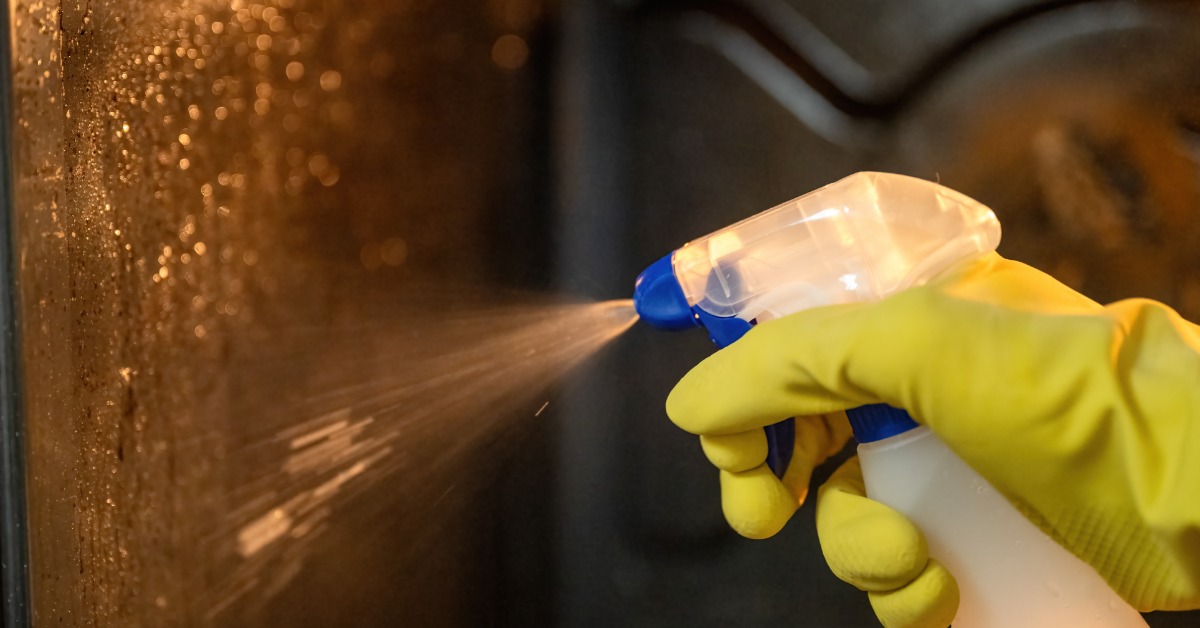
Cleaning chemistry interacts directly with seals, coatings, and metal alloys. Aggressive solvents may weaken elastomers, degrade painted surfaces, or leave corrosive residue.
Balanced non-toxic formulations remove grease while protecting surrounding materials. Surfactant-based systems lift oil from surfaces instead of stripping protective layers. Equipment components maintain integrity across repeated maintenance cycles.
This compatibility reduces the need for unexpected part replacements and supports longer service intervals. Maintenance planning becomes more predictable when cleaning agents protect equipment rather than compromise it.
Quick Tip: Test Before Full Deployment
Maintenance teams should test seals, coatings, and sensitive alloys with a small sample before using a new degreaser on equipment. Use the product at the recommended dilution and observe how the surface responds during the suggested dwell time. Keep an eye out for discoloration, swelling, or residue. This controlled testing helps ensure a smooth implementation across larger systems.
Addressing Common Concerns About Non-Toxic Degreasers
Some operations hesitate to transition away from solvent-based products. Performance and cost remain top concerns during evaluation.
Modern non-toxic degreasers deliver measurable cleaning strength through advanced emulsification technology. High-performance surfactants encapsulate oil particles, suspending them in solution for easy removal. Proper dwell time and agitation further improve results.
Cost evaluation should include the total operational impact. Lower hazard classifications reduce storage controls, personal protective equipment requirements, and specialized disposal procedures. Risk reduction influences long-term cost stability across departments.
Compatibility testing also supports confidence. Technical documentation outlines approved surface types, dilution ratios, and application guidelines. Maintenance leaders should review this information before implementation.
Operational Efficiency Across Applications
Industrial and automotive environments demand versatility. A single maintenance team may service engines, conveyors, machining centers, and hydraulic assemblies during one shift.
Non-toxic degreasers support multiple applications, including:
- Parts washer cleaning
- Equipment wipe-down during preventive maintenance
- Floor degreasing in service areas
- Pre-paint surface preparation
- General industrial cleaning
This flexibility simplifies inventory management and reduces the need for multiple specialized products. Procurement teams streamline purchasing decisions while maintaining cleaning standards.
Air Quality and Indoor Work Environments
Airborne chemical exposure affects worker comfort and operational focus. Solvent fumes create odor concerns in enclosed spaces, especially in shared facilities or government buildings.
Non-toxic degreasers emit fewer harsh vapors. Maintenance activities proceed without overwhelming odors or visible chemical haze. Indoor air quality policies become easier to manage when cleaning agents support healthier work environments.
Improved air conditions also reduce complaints and distractions. Teams remain focused on mechanical tasks rather than chemical discomfort.

Choosing Non-Toxic Degreasing Products
Product selection requires evaluation of soil type, equipment materials, and regulatory expectations. Maintenance managers should review safety data sheets, dilution guidelines, and compatibility charts before purchasing.
Shelf life plays a role in procurement planning, especially for government and military buyers who require high remaining shelf life percentages upon delivery. Storage stability under recommended conditions supports long-term inventory management.
Buyers should also verify the availability and continuity of supply. Consistent access prevents disruptions in scheduled maintenance programs. Reliable distribution networks support operational uptime across multiple locations.
Frequently Asked Questions About Non-Toxic Degreasers
Industrial buyers and maintenance managers often ask about shelf life, equipment compatibility, and product availability when switching to non-toxic formulations. Clear technical info and reliable support help evaluate options. The questions below address the concerns maintenance and procurement teams raise most frequently.
How Long Is the Shelf Life?
Shelf life depends on formulation and storage conditions. Most water-based degreasers remain stable when stored in sealed containers at the recommended temperatures. Buyers should confirm manufacturer specifications before large-volume purchases.
Are Non-Toxic Degreasers Compatible With Industrial Equipment?
Compatibility varies by surface material and concentration. Maintenance teams should review technical documentation and perform controlled testing on sensitive components before full deployment.
Are These Products Readily Available?
Inventory availability depends on supplier depth and distribution capacity. Wholesale distributors with broad stock levels support consistent supply across industrial, automotive, and government sectors.
Smarter Degreasing for Long-Term Performance
Organizations that prioritize safer cleaning chemistry reduce chemical exposure, simplify compliance, and protect equipment investments. Non-toxic degreasers deliver effective grease removal without introducing unnecessary workplace hazards. Maintenance leaders gain stronger operational control when cleaning products align with safety and environmental objectives.
Santie Oil Company supplies industrial-grade cleaners and degreasers that support automotive shops, manufacturing facilities, government operations, and resellers nationwide. Browse our selection today to review non-toxic degreasing solutions that align with your safety standards, performance requirements, and supply expectations.