
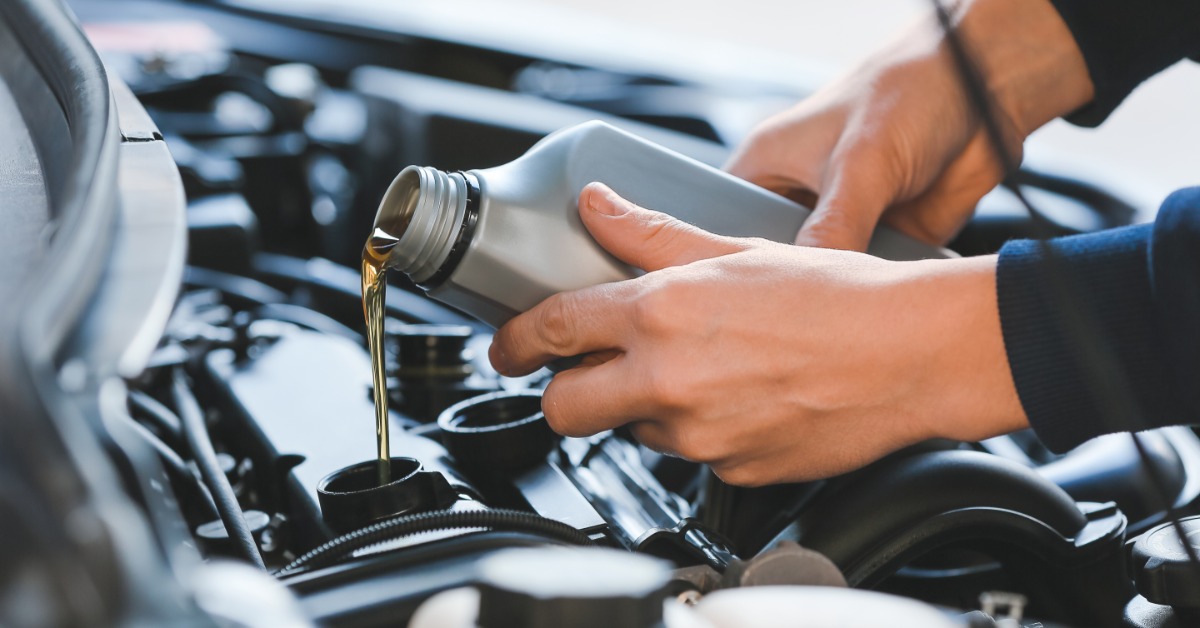
Engine oil affects performance, durability, and maintenance planning across fleets and individual vehicles. When lubrication falls outside manufacturer specifications, internal components experience increased friction and heat. Over time, this mismatch accelerates wear and shortens service intervals.
Small deviations affect startup lubrication, load protection, and deposit control. Recognizing these 10 signs that the wrong engine oil is being used protects both operational uptime and long-term equipment value.
Unusual Engine Noise Under Load
Engines alert to lubrication issues through sound. Knocking, ticking, or tapping during acceleration suggests the protective oil film is failing. If viscosity is outside the recommended range, metal parts are more likely to contact under load.
Cold starts can worsen these sounds, as thick oil distributes slowly and thin oil can't keep parts separated. Both scenarios raise friction and cause faster wear on bearings and camshafts. Maintenance should promptly check any noise changes, since early fixes help prevent long-term damage to rotating components.
Fluctuating Oil Pressure Readings
Oil pressure readings offer direct insight into lubrication performance. Sudden drops during operation indicate a viscosity mismatch or an internal restriction. Oil that becomes too thin under heat lowers pressure below acceptable thresholds. Oil that remains too thick during startup resists proper circulation.
Restricted flow limits lubrication to upper engine components. Tracking pressure trends across duty cycles helps isolate oil-related variables before component scoring occurs. Procurement teams should compare the viscosity grade with the operating temperature range during diagnosis. That review often reveals gaps.

Increased Oil Consumption Between Service Intervals
Engines maintain predictable consumption patterns when oil matches manufacturer specifications. Rapid decline in oil level indicates thermal instability or improper viscosity selection. Oil that lacks stability under sustained heat may evaporate faster than expected.
Frequent top-offs create maintenance inefficiencies and raise contamination risk. Monitoring consumption across service intervals helps managers detect trends early.
Watch for these red flags:
- Rapid oil level drop between scheduled changes
- Visible oil residue around seals
- Oil warning indicators during extended operation
- Noticeable exhaust haze under acceleration
Consistent documentation across fleets improves troubleshooting accuracy.
Excessive Exhaust Smoke
Exhaust color shifts provide valuable diagnostic clues about engine health. Blue or gray smoke during acceleration typically indicates that oil is entering the combustion chamber, which can be caused by incorrect viscosity or improper oil grades. This mismatch may allow oil to bypass piston rings or valve guides, leading to increased consumption and emissions. Burning engine oil leaves residue on internal components, including piston rings, valves, and cylinder walls.
Over time, this buildup can impair compression, reduce engine efficiency, and disrupt proper fuel delivery patterns. Persistent smoke under load warrants a thorough oil review and a mechanical inspection to identify the underlying cause.
Addressing lubrication mismatches early on is crucial for minimizing deposit accumulation, preventing performance decline, and extending engine lifespan.
Sludge Formation And Deposit Buildup
Oil chemistry plays a direct role in contaminant control. Incompatible additive packages struggle under high-temperature operation and heavy load cycles. As oxidation increases, sludge accumulates in return channels and low-flow areas.
Sludge restricts oil circulation and traps heat within engine components. That restriction compounds friction and accelerates wear. Reviewing oil formulation against operating conditions restores proper internal cleanliness.
Fleet managers should inspect drained oil during service for abnormal thickness or discoloration. Early observation prevents long-term blockage.
Declining Fuel Efficiency
Viscosity affects internal friction between moving parts. Oil that runs too thick increases resistance throughout the crankshaft assembly. As friction rises, engines require more fuel to maintain output.
Operators may notice reduced mileage without changes in driving patterns or load. Comparing fuel usage across similar vehicles highlights inconsistencies in lubrication. Aligning oil grade with the manufacturer's specification restores balanced performance.
Even small efficiency shifts compound across large fleets. Therefore, procurement accuracy carries a measurable operational impact.
Overheating During Routine Operation
Engine oil supports heat transfer between internal components. When oil fails to maintain film strength under load, surface temperatures climb. Elevated temperature readings during standard duty cycles indicate a lubrication mismatch.
Heat buildup stresses seals, gaskets, and cylinder walls. Extended exposure increases the risk of distortion and surface fatigue. Addressing oil grade alignment protects thermal stability across service intervals.
Maintenance supervisors should correlate temperature spikes with oil service history. That comparison frequently uncovers viscosity deviations.
Rough Idle And Hesitation Under Acceleration
Engines rely on consistent lubrication to support timing systems and hydraulic components. Incorrect oil weight may disrupt lifter function and chain tension. Drivers may report hesitation, vibration, or uneven idle speed.
Performance irregularities across similar units often stem from inconsistent oil selection. Standardizing lubricant specifications across fleets reduces troubleshooting time. Clear procurement guidelines help eliminate variation at the service level.
Technical teams should review manufacturer documentation whenever performance changes follow a recent oil replacement.
Manufacturer Specification Mismatch
Each engine platform needs specific viscosity grades and performance standards. Deviating from these can cause increased mechanical stress during startup and under continuous load. Climate variations can also worsen these effects. Procurement officers must check API service categories and manufacturer approvals before buying.
Shelf life considerations are crucial, especially for military and government contracts that require a high remaining shelf life at delivery. Distributors with large inventories help buyers efficiently confirm compliance.
Long-Term Wear Trends Across Fleets
Wear patterns can indicate lubrication history. Engines that operate outside recommended oil specs tend to experience faster bearing fatigue and ring wear. Fleet managers might observe shorter maintenance intervals in some units, even under similar conditions.
Comparing maintenance records across different equipment groups uncovers oil-related issues. When a particular group shows increased wear, viscosity, or additive mismatches often contribute. A strategic review of oil choices across asset types can enhance durability and provide more predictable performance.
Align Oil Strategy With Engine Requirements
Engine performance depends on precise lubrication management. Overlooking early warning indicators exposes fleets to unnecessary repair cycles and downtime. Teams that recognize signs you’re using the wrong engine oil maintain tighter control over maintenance planning and equipment lifespan.
Santie Oil Company supplies a broad inventory of engine oils and industrial products for resellers, government buyers, and automotive facilities nationwide. Our team supports customers who manage complex equipment portfolios and demand strict compliance with manufacturer specifications. Professionals working with automotive lubricants rely on accurate viscosity alignment and documented product approvals to maintain consistent performance.
Contact our team today to review available inventory and confirm proper oil selection for your next order.