

Fresh lubricant can only do its job when it reaches the surfaces that need protection. Old grease and grime can get in the way, leaving a layer of contamination between the lubricant and the component. Even a well-matched lubricant may fall short when technicians apply it over a poorly prepared surface.
Understanding why degreasing matters before lubricant application gives maintenance teams a better starting point for routine lubrication and product changes. Cleaning removes material that doesn’t belong at the lubrication point and gives technicians a clearer view of the component before work continues.
The cleaning process will vary by equipment and the residue involved. Knowing what to remove and how to prepare the surface can make each lubrication task more controlled.
1. Remove Old Grease Before It Causes Problems
Grease changes as it works. Heat can alter its consistency, and contamination may collect over time. Old grease can harden or deposit around components, blocking movement or restricting flow. Removing as much old material as possible allows new grease to move freely and prevents over-application.
Some equipment allows purging old grease, while others need cleaning. Always follow the manufacturer’s procedure rather than assuming the same method applies to all lubrication points.
2. Keep Contamination Out of Lubrication Points
A lubrication point doesn’t need to look dirty for contamination to create a problem. Fine particles can collect around fittings or openings during everyday operation. Connecting lubrication equipment without cleaning the area may carry that material into the component.
A dirty grease fitting offers a common example. When debris covers the fitting, the grease gun coupler can push contamination toward the lubrication path. Wiping the fitting beforehand takes little time and reduces that opportunity.
Heavier deposits may call for industrial grease cleaners that loosen greasy buildup before technicians remove it, following the cleaner and equipment instructions.
Check the Area Before Applying Lubricant
A brief inspection can reveal conditions that deserve attention before lubrication begins:
- Look for dirt around fittings and fill points.
- Check for hardened grease near seals and openings.
- Identify moisture or cleaner residue on the surface.
- Remove loose contamination before connecting lubrication equipment.
The amount of cleaning should match the component's condition. A lightly contaminated fitting may need a thorough wipe, while accumulated deposits may require a more involved cleaning process.
3. Use Cleaning to Get a Better Look at the Component
Old grease can hide more than dirt. Heavy buildup may cover a damaged fitting or make leakage around a seal harder to see.
Once technicians remove the buildup, they can inspect the area before applying fresh lubricant. That clean view may reveal a loose fitting, abnormal wear, or another condition that deserves attention.
A clean starting point can also help during later inspections. Fresh leakage becomes easier to recognize when the surrounding surface isn’t already covered with old residue.
Degreasing shouldn’t replace a normal equipment inspection. Instead, cleaning gives technicians better visibility while they perform the lubrication work already on the maintenance schedule.
4. Take Extra Care When Changing Lubricants
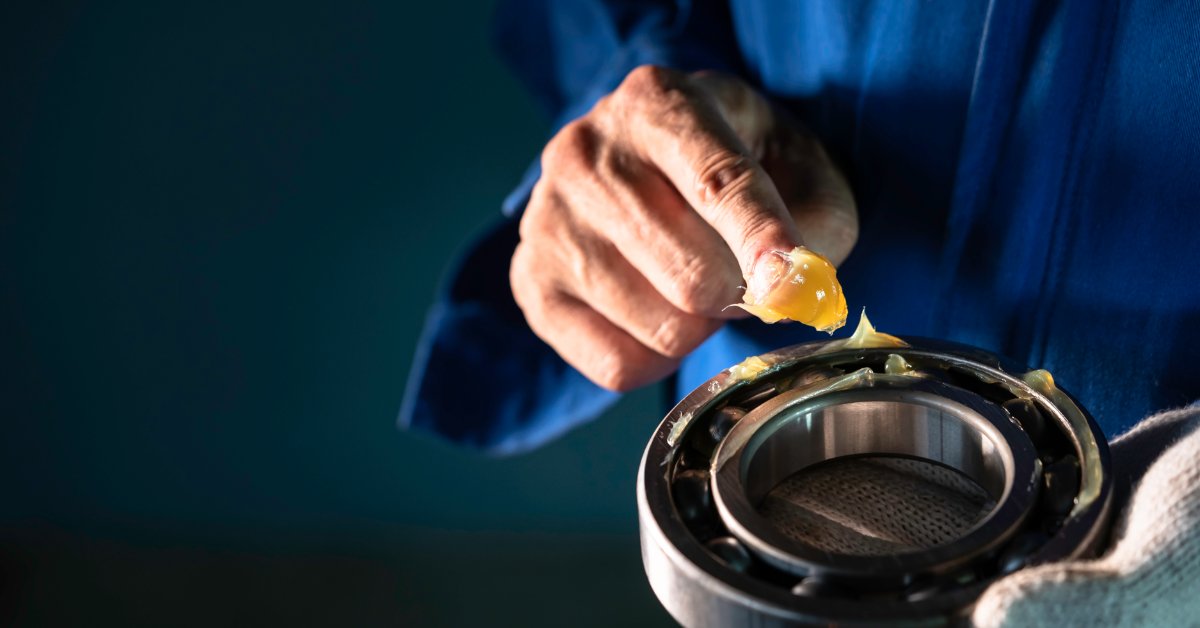
Switching lubricants can make cleaning more important. Greases use different base oils and thickener systems, and some combinations may not remain compatible after mixing.
An incompatible mixture can change consistency or affect how the grease behaves in service. For that reason, technicians shouldn’t assume a new grease can go directly over whatever product remains in the component.
Check the equipment manual and lubricant information before making a change. The manufacturer may recommend purging the old product or using another cleaning procedure before introducing the replacement.
If you can’t identify the previous lubricant, proceed carefully. Confirm compatibility requirements or seek technical guidance before filling the component with a different product.
5. Clear the Path for Fresh Lubricant
Lubricant needs a clear route to the intended contact area. Deposits inside a passage can restrict that movement even when the fitting itself appears usable.
Trying to overcome a blockage by pumping in more grease can create another problem. Pressure may rise while the fresh lubricant still fails to reach the area that needs it.
If a fitting or passage doesn’t accept lubricant normally, stop and investigate the cause. Cleaning may solve residue near an accessible point, while an internal restriction may require maintenance under the equipment manufacturer’s procedure.
Once technicians clear the lubrication path, they can apply the recommended amount instead of compensating for buildup with extra product.
6. Match the Degreaser to the Material
A degreaser should remove unwanted residue while being suitable for the component. Cleaner chemistry varies, so consider how the equipment’s materials respond. Review product info for surface compatibility before use. Be cautious around seals, plastics, and coatings.
The residue type also matters; a cleaner effective on fresh oily film may not work on hardened grease. Selecting the right product for the specific job can reduce scrubbing and reapplications.
When equipment manufacturers provide cleaning restrictions, follow those directions before choosing a product.
7. Don’t Leave Cleaner Behind
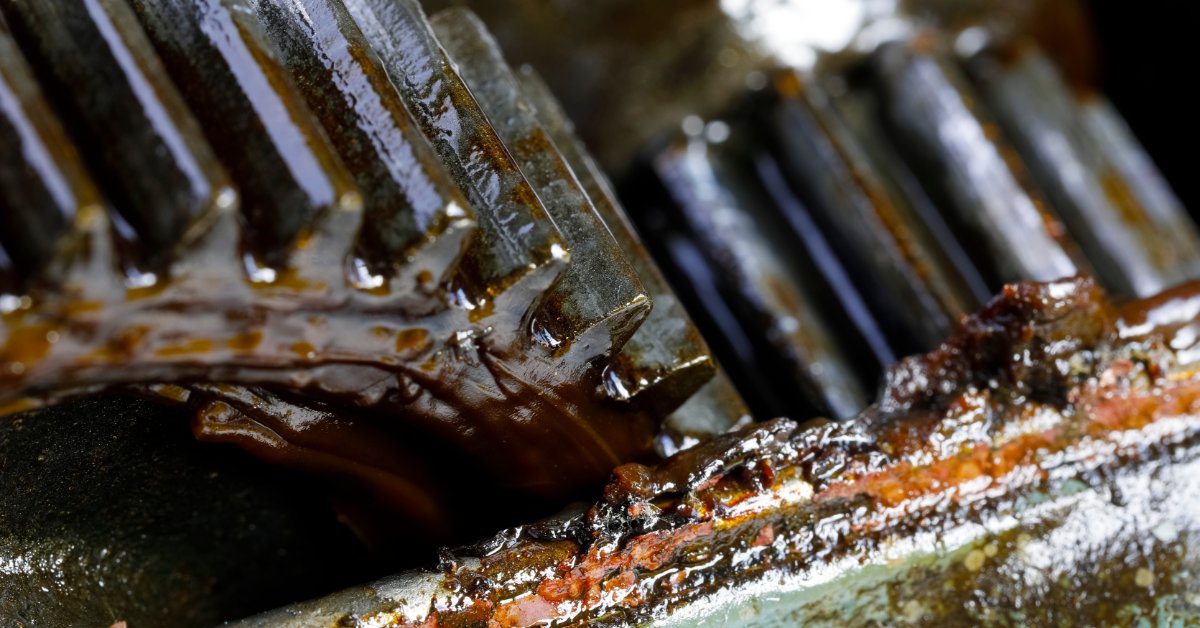
Removing grease doesn’t finish the preparation process. The surface also needs to meet the cleaner manufacturer’s directions before technicians introduce fresh lubricant.
Some cleaners evaporate after use, while others call for wiping or another removal method. If residue remains, it may mix with the lubricant during application.
Moisture can create a similar concern. Applying lubricant while a surface remains wet can introduce unwanted material into an area technicians have already cleaned.
Allow the component to reach the condition specified by the cleaner and equipment instructions. That may mean giving the product enough evaporation time or wiping the surface again before lubrication.
8. Build Degreasing Into Routine Lubrication Work
Understanding why degreasing matters before lubricant application can help maintenance teams treat cleaning as part of preparation rather than a separate task. The amount of cleaning can still change from one application to another.
Routine work may start with wiping a grease fitting and checking the surrounding area. A lubricant conversion or heavy buildup may call for a deeper cleaning procedure.
Maintenance records can support that process. Recording the lubricant in use and noting product changes gives technicians better information the next time they service the equipment. Clear records also reduce uncertainty when compatibility becomes a concern.
When cleaning and lubrication work together, technicians have a cleaner surface and a clearer view of the application before fresh product enters the component.
Start With a Clean Surface
Degreasing gives fresh lubricant a better starting point by removing old material that may interfere with application. It also creates an opportunity to catch contamination or visible component concerns before lubrication continues.
The right cleaning method depends on the equipment and the material to be removed. Following the product instructions and equipment guidelines helps maintenance teams prepare each lubrication point properly and keep the process consistent.
At Santie Oil Company, we supply cleaners, degreasers, lubricants, and greases for a wide range of industrial maintenance needs. If you need help choosing the right cleaner or lubricant for your equipment, contact Santie Oil Company.