

A hydraulic system that's usually dependable can suddenly start making strange noises or responding unpredictably. When hydraulic fluid begins foaming, trapped air can interfere with system performance and increase the risk of component damage. What to do next depends on what's causing the foam, whether it's trapped air, incorrect fluid levels, or contamination. Here's how to identify potential causes and get your equipment running smoothly again.
Identify the Signs of Foaming
Hydraulic fluid can develop foam when air becomes trapped in the oil and forms bubbles on the surface. While some bubbles naturally disappear, persistent foaming may indicate an underlying problem with the system or fluid itself. Recognizing the warning signs early gives you an opportunity to investigate before equipment performance suffers.
You may notice several changes in your equipment's appearance or performance when hydraulic fluid starts foaming:
- A noticeable layer of bubbles may form on the fluid's surface inside the reservoir.
- The hydraulic pump may produce unusual whining or rattling noises as air interferes with normal operation.
- Hydraulic cylinders or other components may move unevenly or respond inconsistently.
- Equipment may struggle to maintain consistent pressure or deliver its usual power.
- Fluid temperatures may rise as aeration reduces operating efficiency and contributes to excess heat generation.
Shut Down Equipment Safely
Continuing to operate hydraulic equipment with severely foaming fluid can increase the risk of component damage. Trapped air compresses under pressure, which can cause inconsistent movement and interfere with proper lubrication. If you notice persistent foam or unusual equipment behavior, stop operations as soon as it's safe to do so.
Follow the manufacturer's shutdown procedures and make sure any raised attachments or moving components are securely supported. Keep in mind that hydraulic systems can retain dangerous pressure even after the equipment is turned off. Before inspecting or repairing pressurized components, trained personnel should relieve stored pressure according to the manufacturer's instructions.
Allow Foam To Settle
Once the equipment is safely shut down, give the hydraulic fluid time to settle before evaluating its condition. Foam that gradually disappears may indicate temporary aeration, although you'll still need to determine what caused it. If bubbles remain for an extended period or repeatedly return during operation, the system may have an ongoing air-entry or fluid-related problem. Don't restart the equipment until you've identified and addressed any conditions that could affect safe operation.
Check Hydraulic Fluid Levels
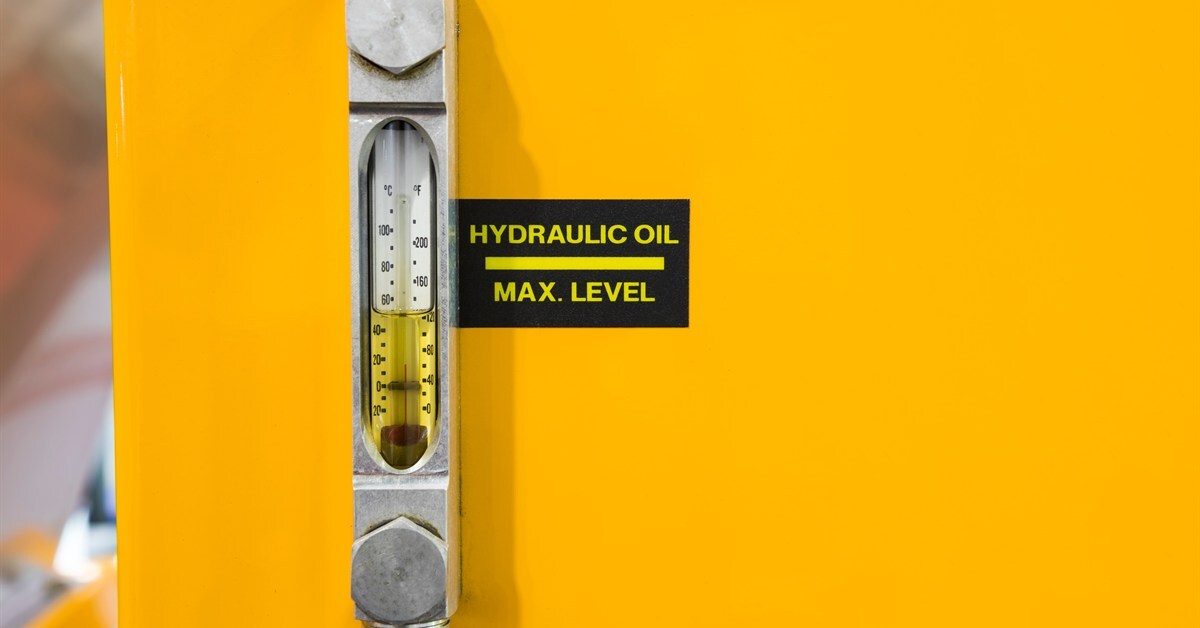
An incorrect fluid level is one of the first things to investigate when troubleshooting a hydraulic system. If the reservoir contains too little oil, the pump may draw in air, particularly when equipment movement changes the amount of fluid needed. Checking the reservoir is a practical first step when determining what to do when hydraulic fluid begins foaming.
Measure the oil level using the manufacturer's recommended procedure, accounting for equipment position and operating temperature. However, adding more fluid isn't always the answer, since overfilling can reduce the space needed for expansion and proper reservoir operation. If the level is low, check for leaks and determine the cause before topping off the reservoir with the correct fluid.
Inspect Suction Lines for Leaks
Hydraulic pumps depend on suction lines to draw oil from the reservoir. When air enters through a damaged line or loose connection, it can become mixed with the fluid and contribute to foaming. These problems aren't always obvious because suction-side leaks may draw in air without allowing noticeable amounts of oil to escape.
Start by examining the suction line for cracks, deterioration, and other visible damage. Pay particular attention to areas near the pump, where vibration and repeated operation can gradually affect component condition. If you suspect a leak, have it evaluated and repaired before returning the equipment to service.
Examine Filters and Reservoir Conditions
Filters and reservoirs do more than hold and clean hydraulic fluid; they also influence how effectively the system maintains proper oil circulation. When these components aren't working correctly, trapped air may have difficulty escaping, or operating conditions may encourage additional air to enter the fluid. A closer inspection can uncover restrictions and reservoir problems that aren't immediately obvious.
Several filter and reservoir problems can interfere with normal fluid circulation:
- Clogged suction filters or strainers can restrict fluid flow to the pump, potentially contributing to cavitation and other performance problems.
- Blocked reservoir breathers can prevent proper pressure equalization as fluid levels change.
- Damaged or missing reservoir baffles can allow excessive fluid movement and make it harder for trapped air to separate from the oil.
- Restricted return lines can disrupt normal fluid circulation and affect system performance.
- Improperly positioned return lines can cause oil to splash into the reservoir, introducing additional air into the fluid.
Evaluate Hydraulic Fluid Condition

Sometimes, the problem isn't a damaged component but the hydraulic fluid itself. Contamination, incompatible additives, and oil degradation can affect how easily trapped air escapes or how well the fluid resists foaming. If you've already checked for mechanical problems without finding an obvious cause, it's worth taking a closer look at the oil's condition.
Start by checking for changes in appearance, such as cloudiness or discoloration, along with unusual odors that may indicate deterioration. However, some contaminants aren't visible during a routine inspection, so laboratory fluid analysis may be necessary. Depending on the findings, you may need to remove contamination, replace the oil, or perform additional maintenance to restore proper fluid performance.
Identify Contamination and Fluid Incompatibility
Mixing hydraulic oils with different additive packages can sometimes reduce foam resistance, even when the products have similar viscosity ratings. Water contamination and certain cleaning chemicals can also interfere with the fluid's normal performance. When choosing replacement heavy equipment hydraulic oil, confirm that its viscosity, performance specifications, and compatibility meet the equipment manufacturer's requirements. If testing reveals contamination, identify its source and follow the appropriate cleaning or replacement procedures.
Prevent Future Hydraulic Fluid Foaming
Once you've resolved the immediate issue, regular maintenance can reduce the likelihood of foaming returning. Routine fluid-level checks and inspections for leaks allow you to catch developing problems before they interfere with operation. It's also important to follow the manufacturer's filter replacement schedule and investigate unusual noises or operating temperatures.
Good fluid-handling practices are another important part of prevention. Keep hydraulic oil containers sealed and avoid mixing products unless their compatibility has been confirmed. Maintaining accurate service records also makes it easier to track fluid changes and determine when additional maintenance may be necessary.
A little foam in a hydraulic reservoir might not seem especially concerning, but persistent bubbling can signal problems that affect equipment reliability. Rather than simply adding more oil or replacing components at random, focus on finding out where the air is coming from and whether the fluid is performing as intended. Addressing the actual cause can prevent repeated interruptions and reduce unnecessary repair costs. With proper maintenance, careful fluid selection, and timely troubleshooting, you can keep your hydraulic equipment performing reliably.