
Grease and oil buildup can turn routine pressure washing into a frustrating job, especially when water alone can't remove stubborn residue. Whether you're cleaning shop floors, industrial equipment, or concrete surfaces, the right cleaning solution can make the job easier. Using degreasers in pressure washing allows you to remove tough contaminants while reducing the risk of surface damage. This guide covers what to look for in a degreaser and how to apply it for consistent cleaning results.
What Are Pressure Washing Degreasers?
Pressure washing degreasers loosen and remove grease, oil, and other stubborn contaminants. Unlike general-purpose detergents, these products target oily residues that water alone struggles to remove. When paired with compatible pressure washing equipment, they make demanding industrial and commercial cleaning tasks more manageable.
You'll find several formulations, each designed to handle specific cleaning conditions. Their ingredients determine how they interact with contaminants and whether they suit certain surfaces. Understanding these differences allows you to choose a product that meets your cleaning needs without causing unnecessary damage.
How Degreasers Break Down Contaminants
Degreasers loosen oily deposits and separate them from the surfaces they cling to. Many water-based formulations contain surfactants that surround grease particles so rinsing water can carry them away. Alkaline products can also break down certain fatty or oily soils through chemical reactions, while solvent-based formulas dissolve compatible contaminants. Because each formulation works differently, cleaning performance depends on both the product's ingredients and the type of residue you're removing.
Choose the Right Pressure Washing Degreaser
Before selecting a degreaser, identify the contaminants and the material underneath them. A product that works well on heavy machinery may be too aggressive for painted surfaces or sensitive finishes.
Here are common degreaser formulations and how they work:
- Water-based degreasers contain surfactants and other ingredients that loosen grease and oil from compatible surfaces.
- Alkaline degreasers break down stubborn organic soils and oily deposits but may damage certain metals or finishes.
- Solvent-based degreasers dissolve compatible oily contaminants and require careful consideration of material compatibility and application restrictions.
Surface and Equipment Compatibility
When using degreasers for pressure washing, consider where you're applying the product and whether it's compatible with your equipment. Strong alkaline solutions may discolor or corrode certain metals, while some solvents can damage rubber seals, plastics, or protective coatings. Before introducing chemicals into your pressure washer, review the product's technical data sheet and the equipment manufacturer's instructions. If you're unsure about surface compatibility, test the solution on a small, inconspicuous area before treating the entire surface.
Prepare Surfaces for Degreaser Application
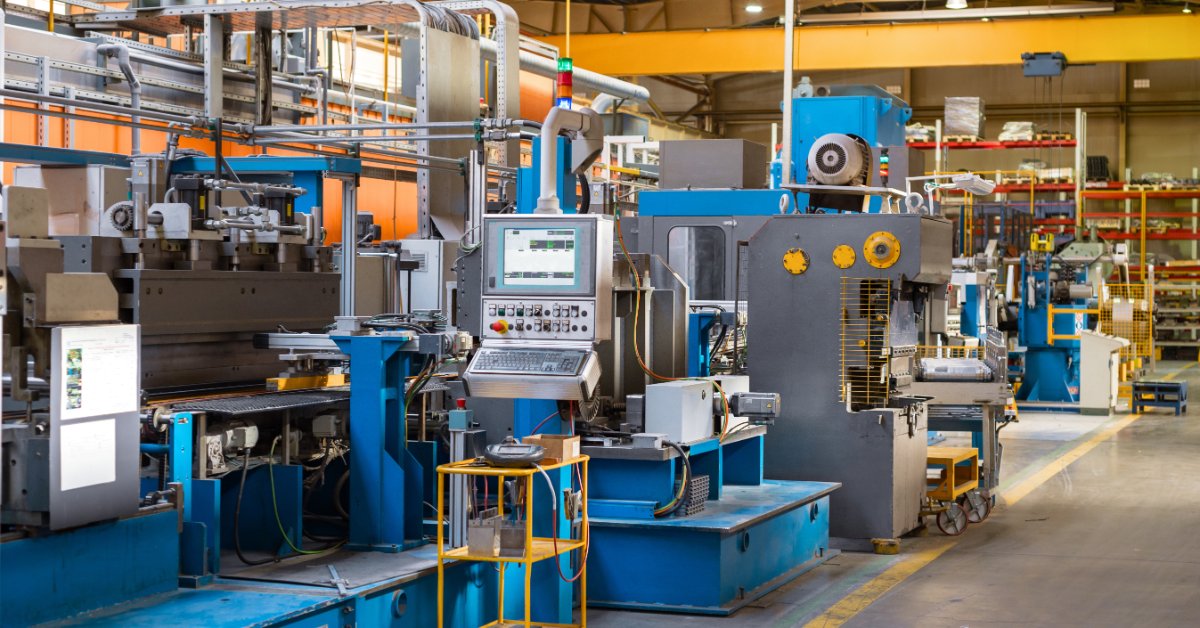
A little preparation can make degreasing more effective and reduce unnecessary chemical use. Start by removing loose dirt and debris with a brush or preliminary rinse so the solution can reach the oily buildup underneath. While inspecting the area, look for damaged coatings or exposed electrical components that may require additional protection.
Next, protect nearby materials that could react poorly to the cleaner and identify any drains where wastewater might flow. Check whether the manufacturer recommends applying the product to a dry or pre-wetted surface, since this can affect its cleaning action. Once the area is ready, prepare the recommended dilution and confirm that your equipment supports the intended application method.
Apply Degreasers With Pressure Washers
Proper application involves more than spraying a cleaning solution onto a dirty surface. You need the right concentration and enough contact time to loosen contaminants before rinsing them away. Depending on your equipment, you may apply cleaners and degreasers through a compatible chemical injector, foam attachment, or separate sprayer.
For effective degreasing, follow these steps:
- Dilute the solution following the manufacturer's recommended ratio based on the product and cleaning conditions.
- Cover the affected area with an even layer of degreaser using compatible equipment.
- Give the solution time to loosen buildup without letting it dry on the surface.
- Use suitable pressure and rinsing techniques to remove loosened contaminants and remaining cleaner.
- Inspect the surface for leftover grease and repeat the treatment if necessary.
Adjust Water Pressure and Temperature
Water pressure removes loosened grease and oil, but too much force can damage coatings or sensitive surfaces. Start with a wide-angle spray nozzle and a lower pressure setting, then increase the pressure gradually if stubborn residue remains. Keep the nozzle at a safe distance from the surface, and avoid directing high-pressure water at seals, joints, or other vulnerable components.
Hot water can make degreasing easier by softening thick grease and improving oily buildup removal. If you're cleaning heavy machinery or industrial equipment, a hot-water pressure washer may work better than cold water for certain deposits. Before turning up the heat, check the degreaser's recommended temperature range and make sure both your equipment and the cleaning surface can handle it.
Mistakes To Avoid
Using a stronger concentration than recommended is a common mistake and doesn't necessarily improve results. Instead, it can increase the risk of surface damage and leave behind more chemical residue to rinse away. Another issue arises when operators let the cleaning solution dry on the surface, which can cause discoloration or leave deposits that require additional cleaning.
Rushing through the process can be just as counterproductive. If you rinse too soon, the degreaser may not have enough time to loosen stubborn buildup, while excessive water pressure can damage coatings and other components. Instead of using stronger chemicals or more force, follow the recommended application instructions and inspect the surface before deciding whether another treatment is necessary.
Safe Handling and Environmental Considerations
Degreasers contain chemical ingredients that require proper handling, even when they're suitable for routine industrial cleaning. Before starting, review the product's safety data sheet to understand potential hazards and identify the necessary protective equipment. Depending on the formulation, you may need chemical-resistant gloves, eye protection, or additional precautions to limit exposure.
Ventilation is another consideration, particularly when working indoors or using products that release potentially hazardous vapors. Never mix cleaning chemicals unless the manufacturer explicitly allows it, since incompatible ingredients can trigger dangerous reactions. After cleaning, keep containers properly labeled and store unused products according to their specified conditions.
Managing Wastewater and Chemical Runoff
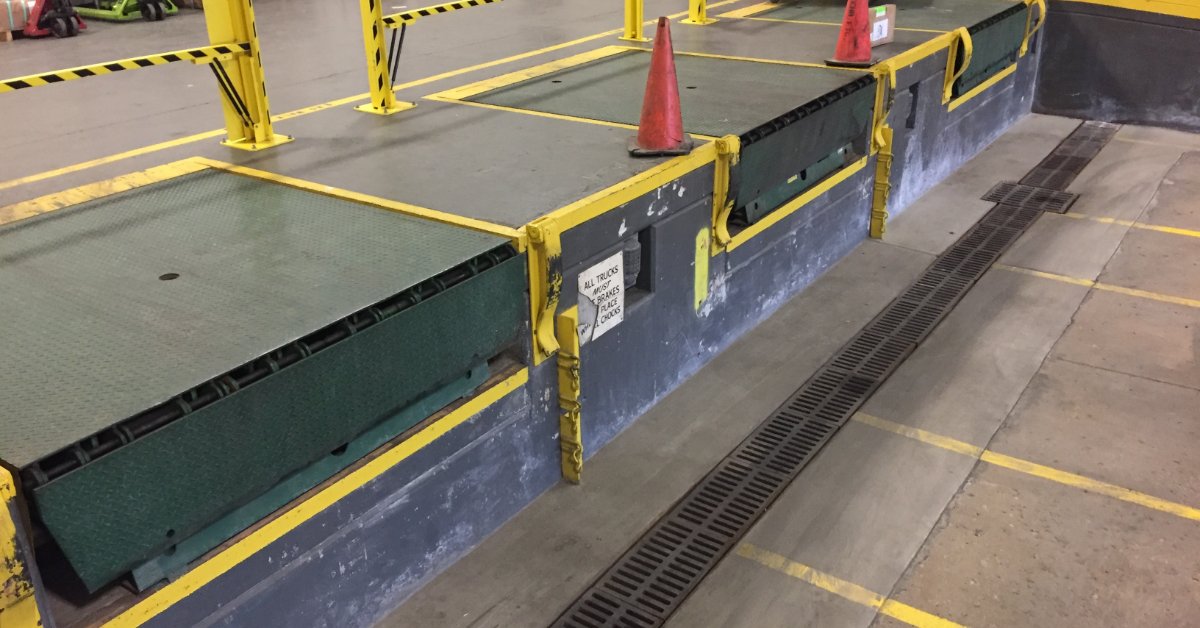
Pressure washing generates wastewater that may contain oil, grease, cleaning chemicals, and other contaminants removed during the job. If this mixture enters storm drains or nearby waterways, it can create environmental problems and potentially violate discharge regulations. Depending on the cleaning location, you may need drain covers, containment barriers, or wastewater collection equipment to control runoff. Always follow applicable disposal requirements and facility procedures; don't assume diluted cleaning solutions are safe for public drainage systems.
Effective pressure washing starts with choosing a degreaser that matches the contamination and surface you're cleaning. Instead of using excessive chemical strength or water pressure, follow product instructions and adjust equipment settings for the best results. Safe handling and responsible wastewater management also reduce avoidable risks during routine cleaning. With the right products and techniques, you can tackle demanding degreasing jobs while protecting your equipment and surrounding surfaces.