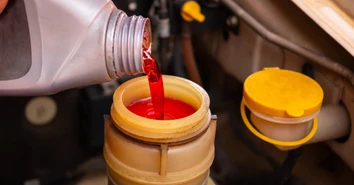
Brake fluid directly influences how a hydraulic braking system reacts when a driver presses the pedal. It transmits force throughout the system and manages heat as well as moisture-related changes. Although brake fluids may appear similar on store shelves, their chemical compositions and performance ratings differ.
Choosing the correct fluid begins with the specific vehicle, not just the claims on the bottle. Following a clear selection process can also help technicians prevent compatibility issues during regular brake maintenance.
For automotive shops, fleet teams, and vehicle owners, these 8 tips for choosing brake fluids with confidence can make product selection much easier.
1. Start With the Vehicle Manufacturer’s Specification
Begin with the owner’s manual or service info to determine the correct brake fluid. Manufacturers specify fluid type based on the system’s needs and materials. If a specific DOT classification is required, select a fluid that meets that standard.
Don’t assume a higher DOT number is better for all cases, as different classifications can vary in chemistry and performance. When service records are missing, check the manufacturer’s guidelines before adding fluid.
Relying on fluid or conditions near the reservoir can lead to avoidable service issues.
2. Understand What DOT Ratings Tell You
DOT classifications determine the performance standards for motor vehicle brake fluids, including common types like DOT 3, DOT 4, DOT 5, and DOT 5.1. Typically, DOT 3 and DOT 4 are glycol-based, while DOT 5 uses silicone-based chemistry. Despite their similar names, DOT 5.1 also uses glycol-based chemistry.
However, the number alone doesn’t specify which fluid is suitable for a particular vehicle. Always check the required specification before selecting a replacement or topping off the brake fluid.
Know the Difference Between DOT 5 and DOT 5.1
DOT 5 and DOT 5.1 deserve extra attention because their names can easily confuse.
Their chemistry differs, which means technicians shouldn’t treat them as interchangeable. Check the vehicle requirement and current fluid before performing service. Taking a few moments to verify the specification can prevent an incompatible product from entering the braking system.
3. Compare Dry and Wet Boiling Points
Brake systems generate heat during normal operation. Repeated braking or heavier vehicle use can increase that heat, which places greater demands on the fluid.
Product specifications may provide both dry and wet boiling points. The dry boiling point represents fresh brake fluid before moisture exposure. The wet boiling point reflects performance after the fluid reaches a defined moisture level under standardized testing.
Both numbers can provide useful context when comparing products within the correct specification. A high boiling point alone shouldn’t override the manufacturer’s brake fluid requirement.
For vehicles that experience demanding brake use, review the approved specifications alongside the product’s performance information.
4. Account for Moisture Exposure
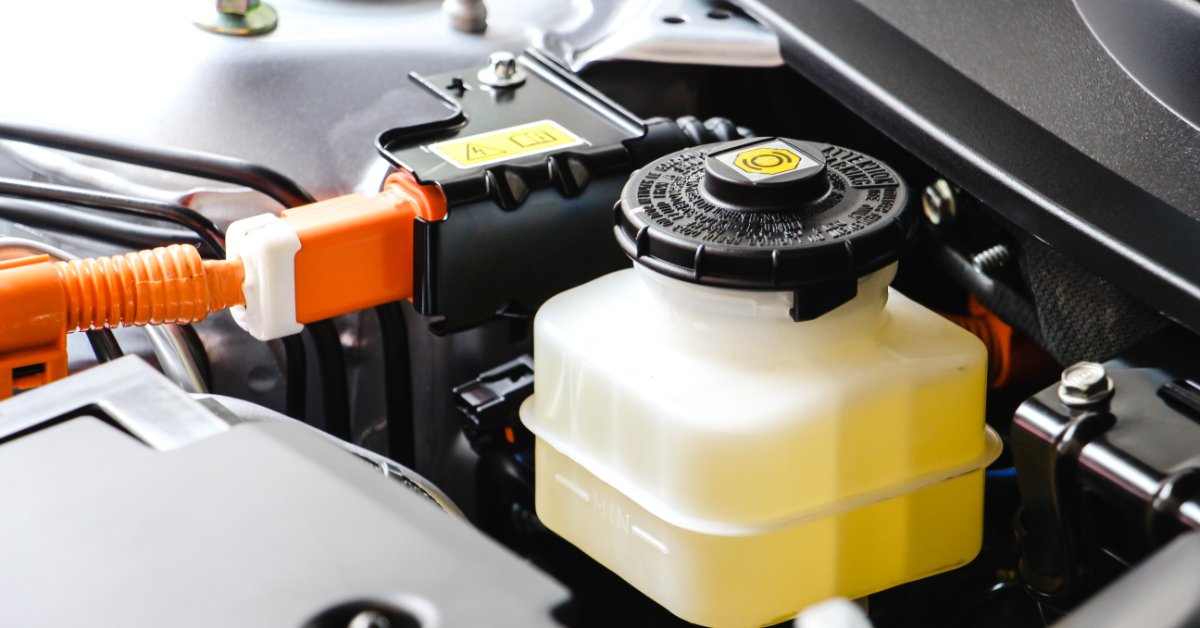
Glycol-based brake fluids can absorb moisture from the surrounding air. As moisture content rises, boiling performance can decrease. Moisture can also contribute to corrosion within hydraulic components over time.
Storage practices matter for that reason. Keep unused brake fluid in its sealed original container, and close an opened container promptly after service.
Shops should also pay attention to how long opened containers remain on the shelf. If a container’s history isn’t clear, replacing it may make more sense than introducing questionable fluid into a customer’s braking system.
Container size can help here. Shops with lower brake fluid usage may benefit from purchasing quantities that better match their normal service volume.
5. Check Compatibility Before Mixing Fluids
A quick top-off still requires the same care as a full fluid service. Identify what the vehicle requires before adding anything to the reservoir.
When the service history remains unclear, review the manufacturer’s procedure instead of assuming the existing fluid will work with a new one. Brake systems rely on seals and other internal materials that need compatible fluid chemistry.
Switching products also deserves attention. Verify that the new brake fluid meets the required classification and applicable manufacturer specifications before starting the service.
If a change calls for flushing or another service procedure, follow the vehicle manufacturer’s instructions rather than creating a general process for every vehicle.
6. Read Beyond the Front of the Bottle
Brake fluid packaging often places a DOT rating or major performance claim in the most visible spot. That information gives you a starting point, though it shouldn’t make the full decision.
Read the product information for its stated classification and compatibility guidance. Also review the handling and storage instructions. Buyers should also check that the container remains properly sealed before use.
The same careful review helps when purchasing car lubricants and other automotive fluids. Similar packaging doesn’t mean two products serve the same application, and product specifications provide far more useful information than appearance alone.
7. Match the Fluid to Vehicle Use
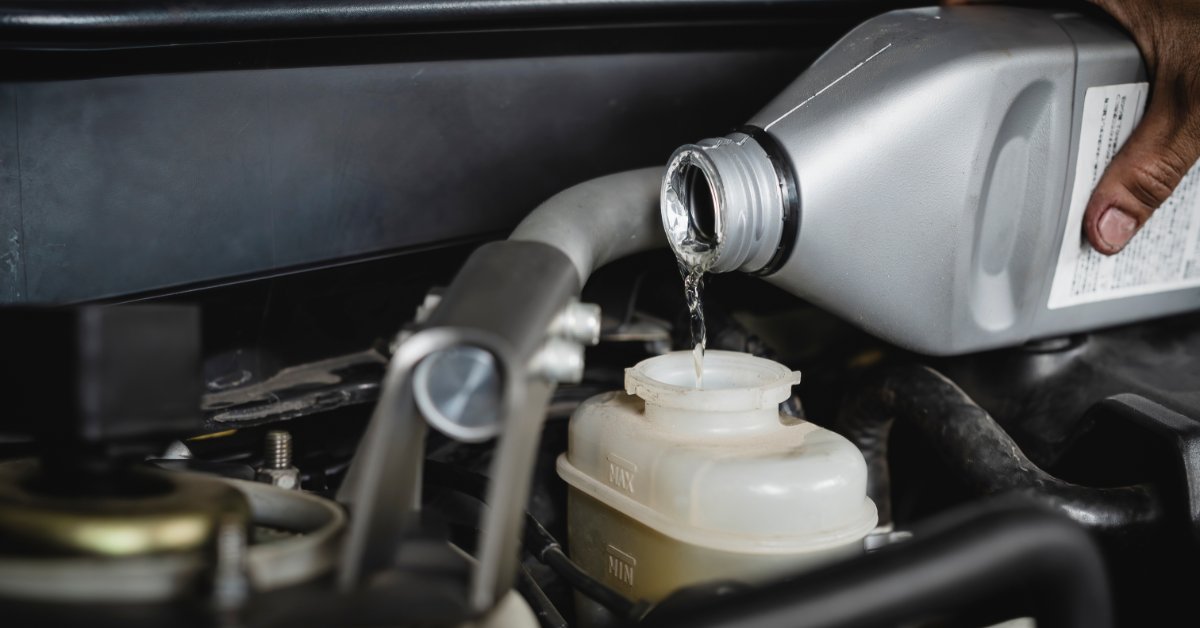
Driving conditions affect braking system requirements. A passenger car used daily may produce less heat than a work vehicle that brakes often. Towing or extended braking can also raise brake temperatures. In such situations, compare products that meet the manufacturer's approved specifications.
Do not change DOT classifications solely because the vehicle operates under more strenuous conditions. Start with the approved specifications and choose products suited to the specific operating environment.
Fleet teams can assist future maintenance by recording which brake fluid technicians use in each vehicle. Logging the service date can also help track maintenance histories more effectively.
8. Know When Brake Fluid Needs Attention
Brake fluid selection doesn’t end after the first purchase. Vehicle manufacturers may provide service intervals that help determine when the fluid needs maintenance or replacement.
Technicians may also need to inspect the fluid or review its history when:
- A scheduled brake fluid service is approaching.
- Hydraulic brake components undergo repair.
- The fluid shows signs of contamination.
- Previous service records aren’t available.
Avoid judging brake fluid condition by appearance alone. Follow the manufacturer’s maintenance information and use the service method required for that vehicle.
A shop that tracks brake fluid during regular maintenance can also spot unclear service histories before they complicate future work.
Choose Brake Fluid With Greater Confidence
Following these 8 tips for choosing brake fluids with confidence gives buyers a straightforward way to narrow their options without relying on a familiar label or a single performance number. Start with the vehicle specification, verify compatibility, and compare products that meet the application’s requirements.
Careful storage and accurate service records can support that decision long after the initial purchase. For shops and fleet teams, a consistent process also makes brake fluid service easier to manage across different vehicles.
Santie Oil Company carries automotive lubricants and related service fluids for a wide range of applications. Contact our team for product information and help finding a brake fluid that matches your application.