

A brush, spray nozzle, or drip system can all deliver lubricant to open gears, but they don't produce the same results. Each method has its own strengths, from controlling exactly where lubricant goes to keeping gears protected during continuous operation. Comparing the pros and cons of open gear lubrication methods can reveal which options best suit your equipment and maintenance needs. This guide breaks down how each method works and what to consider before choosing one.
Types of Open Gear Lubrication Methods
Open gears operate without a fully enclosed housing, leaving their contact surfaces exposed to surrounding conditions. Proper lubrication reduces friction and protects gear teeth from excessive wear. However, the application method determines how lubricant reaches these surfaces and how often it needs replenishment.
Common open gear lubrication methods include:
- Manual lubrication (smearing): Technicians apply lubricant directly to accessible gear teeth using brushes or other handheld tools.
- Spray lubrication: Nozzles distribute measured amounts of lubricant across gear surfaces at controlled intervals.
- Drip lubrication: Gravity-fed or controlled delivery systems supply lubricant to the gear mesh at a set rate.
- Oil bath lubrication: A gear or idler moves through a lubricant reservoir and carries oil toward the contact surfaces.
Manual Lubrication: Control vs. Consistency

Manual lubrication gives technicians direct control over where and how much lubricant they apply. Using brushes or similar tools, they can coat accessible gear teeth without installing a complex delivery system. This makes the method practical for smaller equipment or systems that already undergo regular maintenance shutdowns.
However, coverage quality depends on the technician's application technique. Uneven coatings may leave some surfaces unprotected, while excess lubricant can accumulate around the gear teeth. Manual lubrication also requires more hands-on work and may involve stopping equipment so technicians can apply the product safely.
When Manual Application Works Best
Manual application is most practical when gears are easy to access and don't require continuous lubricant delivery. During maintenance, technicians can inspect tooth surfaces and replenish lubricant where coverage has deteriorated. For larger equipment with frequent lubrication needs, repeated manual application may become too time-consuming. Operators must also follow equipment shutdown and lockout procedures before working near exposed gears.
Benefits of Spray Lubrication Systems
Spray lubrication systems use nozzles to apply measured amounts of lubricant directly to gear teeth. Automated controls regulate application intervals, allowing the system to replenish lubricant while equipment operates. This makes spray lubrication particularly useful for large industrial gears that need frequent lubrication without repeated shutdowns.
These systems also allow operators to adjust lubricant delivery to match operating requirements. With proper nozzle positioning, the spray can reach the loaded tooth flanks and reduce the chance of leaving dry contact areas. However, consistent results depend on correct system settings and a lubricant that flows properly through the delivery equipment.
Spray Equipment Maintenance Challenges
Automated spraying reduces manual application work, but it doesn't eliminate maintenance requirements. Blocked nozzles or incorrect spray patterns can leave portions of the gear teeth without sufficient protection. Technicians should routinely check nozzle alignment and verify that each cycle delivers the intended lubricant amount.
Drip Lubrication Benefits and Challenges
Drip lubrication delivers lubricant to the gear mesh through a controlled flow system. It offers a relatively simple way to supply lubricant during operation without requiring frequent manual application. However, this method generally works better on slower-moving gears, since higher speeds can make it harder to distribute and retain lubricant across the contact surfaces.
Maintaining a steady flow can also be difficult when operating temperatures change. As lubricant viscosity increases or decreases, the delivery rate may shift, leaving the gears with too little or too much lubricant. Proper outlet positioning is equally important because the system must direct lubricant toward the areas that need protection.
Controlling Lubricant Flow Rates
Reliable drip lubrication depends on matching the flow rate to the equipment's operating conditions. In colder environments, thicker lubricant may move too slowly through the delivery system. Excessive flow, on the other hand, can waste lubricant without improving protection at the gear mesh. Check delivery points regularly and adjust flow rates according to manufacturer specifications.
Oil Bath Lubrication Advantages and Drawbacks
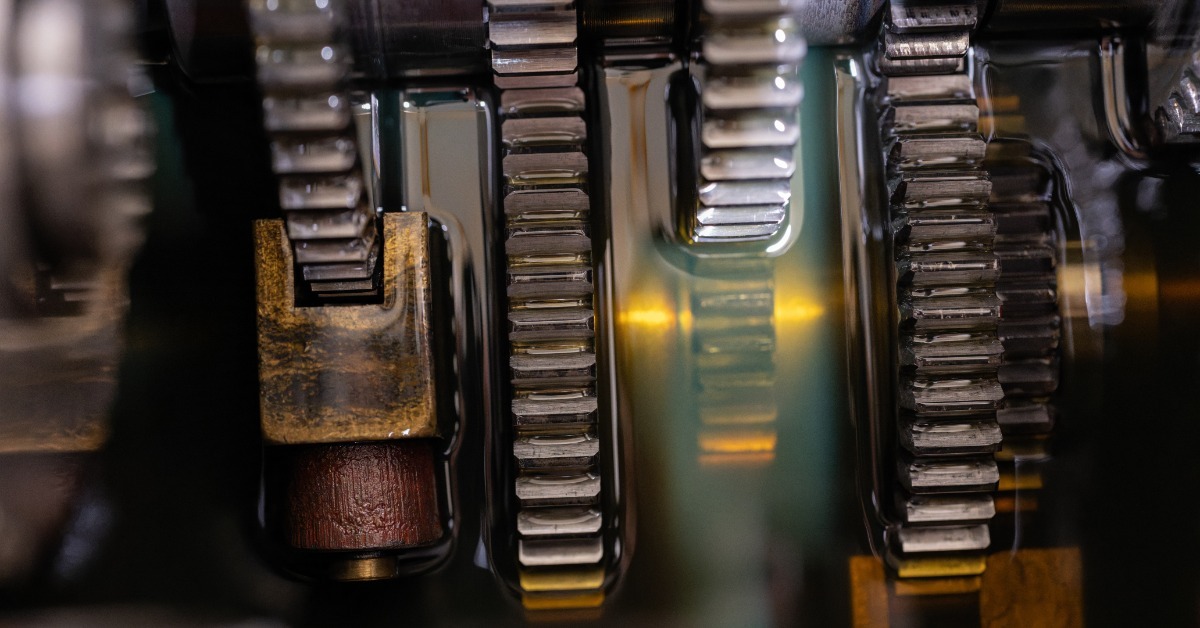
Oil bath lubrication relies on a reservoir that allows a gear or specially positioned idler to dip into the lubricant as it rotates. The moving component then carries oil toward the meshing surfaces, providing repeated lubrication during operation. When the equipment supports this design, oil bath lubrication can reduce the need for manual application or timed spray cycles.
However, this method isn't suitable for every open gear system because it requires compatible equipment geometry and reservoir placement. Highly viscous lubricants may also create channeling, where rotating components leave gaps in the oil that don't refill quickly enough. Since contaminants can accumulate in the reservoir, operators must monitor lubricant condition and maintain the system to preserve reliable performance.
Selecting a Lubrication Method
No single lubrication method works best for every open gear system. The right choice must deliver sufficient lubricant to the contacting surfaces without excessive buildup or interference with equipment operation. When evaluating the pros and cons of open gear lubrication methods, consider how your equipment's operating demands affect both lubricant performance and application requirements.
When selecting a lubrication method, evaluate these key factors:
- Gear speed: Faster rotation can increase lubricant displacement and make certain delivery methods less effective.
- Operating load: Heavy loads require a lubricant film capable of protecting contact surfaces under high pressure.
- Lubricant viscosity: The product must flow through the application system while maintaining sufficient coverage on the gear teeth.
- Environmental exposure: Dust and moisture can increase contamination risks and influence maintenance frequency.
- Equipment accessibility: Hard-to-reach gears may benefit from automated systems rather than frequent manual application.
- Maintenance resources: Available personnel and inspection schedules can influence which method is practical to maintain.
Maintaining Lubrication
Choosing the right application method is only part of maintaining reliable gear protection. Regular inspections let technicians identify dry contact areas, uneven coatings, or excessive deposits before these conditions cause significant wear. If coverage problems appear, checking lubricant delivery and application settings can reveal whether the system needs adjustment.
It's also important to confirm lubricant compatibility when maintaining or modifying an existing system. Maintenance teams can consult lubricant wholesale distributors to compare technical specifications and identify formulations suited to industrial gear applications. Before changing products, verify that the replacement meets equipment requirements and is compatible with any lubricant remaining in the system.
A lubrication system needs to deliver the right amount of lubricant to the right areas to protect open gears effectively. Even a suitable method can fall short when operating conditions change or maintenance problems go unnoticed. Regular inspections of gear surfaces and application equipment can catch issues before they lead to costly repairs. By monitoring lubricant coverage and adjusting as needed, you can reduce wear and extend equipment life.