

Food processing equipment needs grease that can handle motion, moisture, load, heat, and sanitation demands. The right grease helps protect moving parts while supporting clean maintenance practices around production areas.
The key differences in food-grade grease types come from thickener chemistry, base oil, registration category, and equipment conditions. Because each application has different demands, buyers need more than a product name. They need to match the grease to the machine, the environment, and the risk of incidental food contact.
What Makes Grease Food Grade?
Food-grade grease is used on equipment in food and beverage processing areas where incidental contact may occur. It doesn’t belong in food, and crews still need careful application practices.
Most buyers look for NSF H1 registration when they need grease for incidental food contact zones. H1 grease suits machinery with possible trace contact during normal operation. Other categories, like H2 lubricants, are for areas without food-contact risk. 3H products are for release on surfaces or molds.
Grease stays in place better than oil, so plants use it on bearings, bushings, guides, hinges, slides, and other moving parts to ensure steady protection without over-application or contamination.
Registration Category Sets the Use Case
Food plants use different lubricant categories across different parts of a facility. The right category depends on the equipment location and the chance of contact with food, packaging, or processing surfaces.
H1 grease supports incidental food contact areas. H2 products fit equipment with no risk of food contact. 3H products are used in release applications that allow direct contact under specific conditions of use.
That difference matters because a single facility may require multiple lubricant categories. A packaging line, freezer door, conveyor system, and gear reducer may all call for different products.
Thickener Type Changes Grease Performance
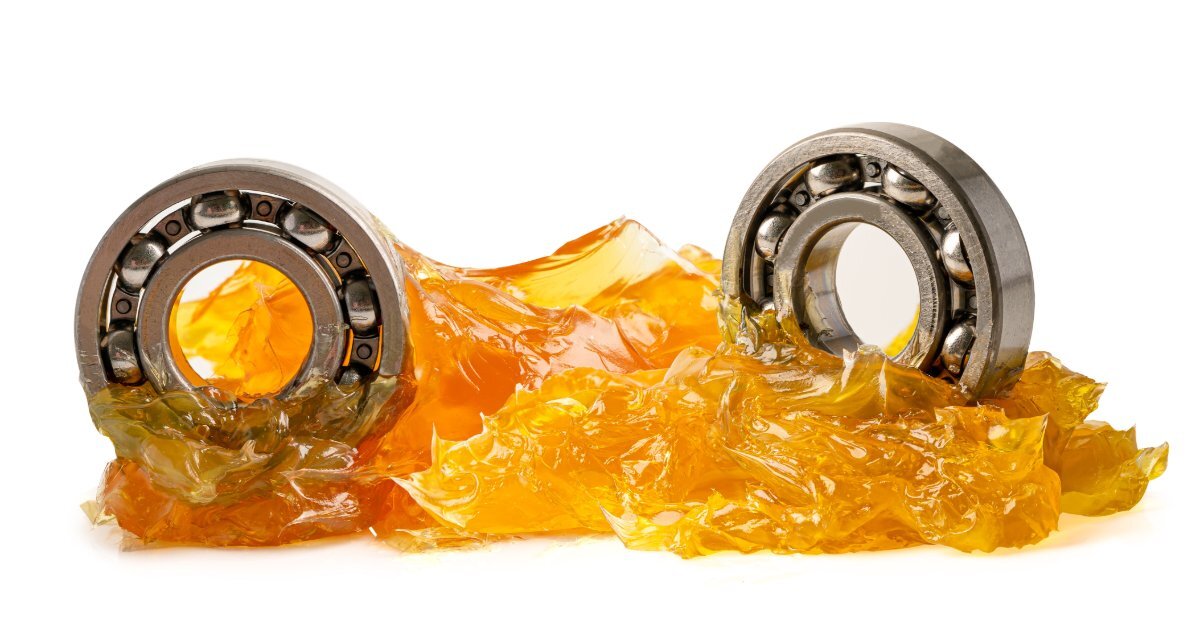
The thickener gives grease its body. It holds the oil in place and helps the product stay where the equipment needs it.
Different thickener systems affect water resistance, heat tolerance, pumpability, and mechanical stability. That’s why buyers shouldn’t treat all food-grade greases the same.
Aluminum complex grease works well in many food processing settings because it resists water and has a smooth texture. It can help keep grease in place when equipment is exposed to moisture or washdown.
Calcium sulfonate complex grease also gets attention for wet and loaded applications. It offers strong water resistance, load support, and corrosion control.
Some silica or clay-thickened greases may suit higher-temperature areas. However, the full formulation matters, so teams should compare the product data sheet to the equipment’s operating range.
Base Oil Choice Affects Heat, Cold, and Speed
Grease contains base oil, thickener, and additives. The base oil performs much of the lubricating work once the grease reaches the part.
Mineral oil-based food-grade grease can suit general plant equipment with moderate temperature and load demands. It works well across many standard lubrication points.
Synthetic grease can handle wider temperature ranges. It may also fit cold storage, high heat, longer intervals, or equipment that cycles through changing conditions.
Base oil viscosity matters as well. A heavier base oil can help protect slower, loaded parts. A lighter base oil may suit faster bearings that need smoother movement with less drag.
Buyers should review the base oil type alongside the thickener type. A strong thickener won’t make up for a base oil that doesn’t meet the equipment's speed, heat, or load requirements.
Wet Areas Need Strong Water Resistance
Sanitation routines place heavy demands on grease. Water, steam, cleaners, and pressure can strip grease from parts or push moisture into bearings. Grease that washes out too quickly leaves metal surfaces exposed. That can increase wear and rust concerns, especially in wet processing areas.
Water resistance matters in spray zones, on wet conveyors, around dairy equipment, on beverage lines, on meat processing equipment, and in packaging areas with frequent cleaning.
Aluminum complex and calcium sulfonate complex greases may fit many of these applications. Still, buyers should compare the full data sheet, since water resistance alone doesn’t prove fit.
Additives Support Wear, Rust, and Load Control
Additives help grease manage wear, rust, oxidation, and heavy loads. Food-grade formulas use additive systems that fit food plant requirements.
Buyers should review product data sheets before choosing grease. Helpful details may include:
- Operating temperature range
- Water washout performance
- Dropping point
- Load and wear ratings
- Rust and corrosion protection
- NLGI grade
- Base oil viscosity
These details make comparisons easier. A higher rating doesn’t always mean the grease fits the job, though. The application should guide the decision.
Additive packages also need balance. A product that works well in a dry, moderate-speed bearing may not suit wet, high-load equipment.
Food Grade Grease Comparison Points
The key differences among food-grade grease types become easier to compare when buyers start with the application. Product names matter less than the demands placed on the grease.
A clear comparison should cover:
- Contact risk: Match H1, H2, or 3H to the equipment zone.
- Thickener type: Compare water resistance, heat range, and mechanical stability.
- Base oil: Review mineral or synthetic options against temperature and speed.
- Load rating: Check pressure demands, shock loading, and wear control.
- Washdown exposure: Match water resistance to sanitation routines.
- Application method: Confirm the cartridge, pail, keg, drum, or centralized system needs.
Package size also matters. Some facilities need cartridges for manual greasing. Others need pails, kegs, or drums for larger maintenance programs.
Availability can also affect maintenance planning. Plants that rely on specialty grease should confirm access before inventory runs low.
Compatibility Matters Before Switching
Grease compatibility can affect texture and performance. Mixing two products may soften the grease, harden it, or reduce its ability to stay in place. Before switching, teams should identify the current grease. They should compare thickener type, base oil, and compatibility guidance.
If the current product remains unknown, a cleanout may make sense. A controlled changeover helps reduce the chance of performance issues after the switch. Seal compatibility also deserves attention. Some base oils and additive systems may interact differently with elastomers and other materials.
Clean Storage and Handling Protect Product Quality
Food-grade grease requires clean handling from the shelf to the point of lubrication. A registered grease can lose its value if crews contaminate it with dirt, water, or the wrong applicator.
Containers should stay closed when crews aren’t using them. Grease guns should have clear labels. Plants should avoid using the same applicator across different grease types.
Color coding can help crews separate H1 grease from other lubricants. It also supports faster identification during routine maintenance. Shelf life matters too. Grease can age in storage, separate, or change texture. Teams should rotate stock and check product dates before use.

Better Grease Selection Starts With the Application
Food-grade grease selection works best when teams match the product to the machine, contact zone, and plant conditions. Thickener type, base oil, registration, water resistance, temperature range, and compatibility all shape performance.
When you need help comparing food-grade lubricant options, contact our team at Santie Oil Company today to find a product that fits your application and supports your maintenance goals.