

The right motor oil does more than protect your engine from wear; it can also influence what comes out of your exhaust pipe. Automotive lubricants help reduce emissions by minimizing internal friction and improving fuel efficiency. They also help control deposits that can choke performance and protect the components that limit harmful pollutants. See how the right lubricant can make a measurable difference in your engine's efficiency over time.
Reduce Friction Between Engine Components
Inside an engine, pistons, bearings, and other moving components operate under considerable pressure. As these parts move against each other, friction creates resistance that takes additional energy to overcome. Motor oil forms a protective film between contacting surfaces, reducing friction and allowing the engine to run more efficiently.
Modern lubricants also contain friction modifiers that reduce resistance under certain operating conditions. These additives become particularly useful when the oil film is too thin to fully separate moving surfaces. With less energy lost to friction, the engine can put more of the power generated through combustion toward moving the vehicle.
Improve Efficiency During Cold Starts
Cold weather puts extra demands on an engine's lubrication system, especially during startup. As temperatures drop, motor oil thickens, making it harder to circulate through narrow passages and reach critical components. The engine must work against this added resistance until the oil warms up, which can increase fuel consumption.
A lubricant with suitable low-temperature properties allows oil to flow more readily during startup. It also reaches critical engine components sooner, reducing the time they operate with limited lubrication. This is another way automotive lubricants help reduce emissions, since reducing internal resistance during cold starts can limit unnecessary fuel consumption.
Synthetic Oils and Low-Temperature Performance
Synthetic motor oils generally perform well in cold weather and maintain their properties across a broad operating range. Their formulation can improve oil flow during cold starts, provided drivers choose the correct viscosity grade. At higher temperatures, synthetic oils also resist oxidation, limiting degradation that can affect lubrication performance. However, switching to synthetic oil won't automatically improve fuel economy, so always follow the vehicle manufacturer's specifications.
Prevent Deposits
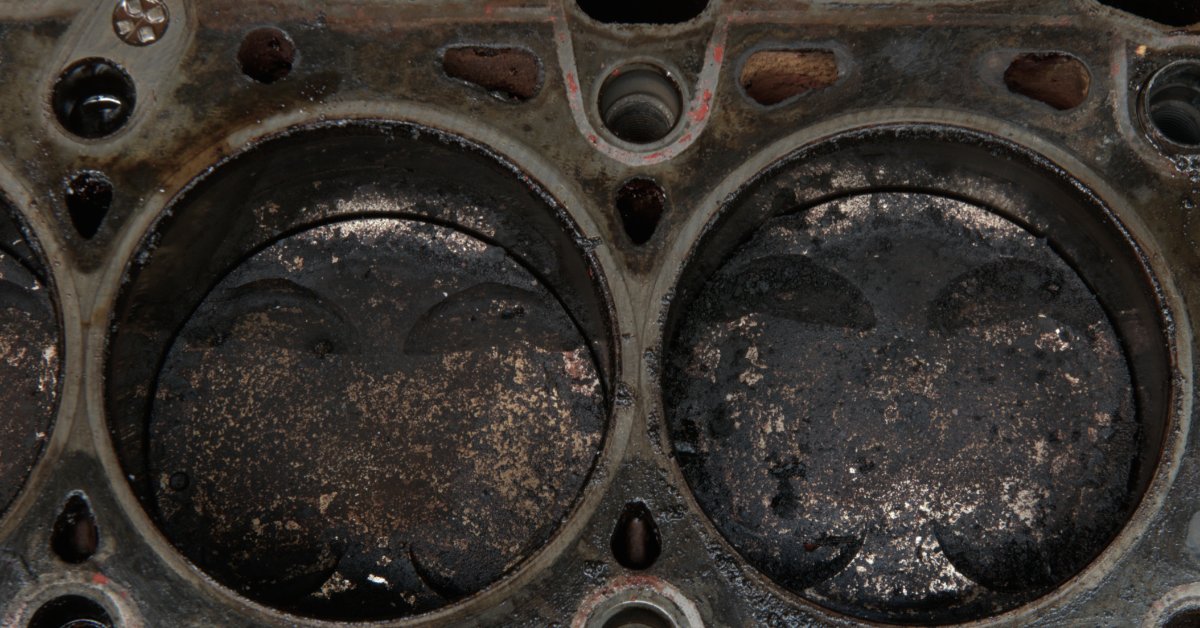
Over time, combustion byproducts and oil degradation can leave deposits on internal engine surfaces. Excessive buildup can restrict lubricant circulation or interfere with piston ring movement, making the engine harder to run efficiently. To manage these contaminants, motor oils contain additives that limit deposit formation and keep internal components cleaner.
Deposit control also helps maintain the seal between piston rings and cylinder walls. When buildup prevents the rings from moving properly, more combustion gases can escape into the crankcase, a condition known as blow-by. Controlling these deposits allows the piston rings to function properly, maintaining engine efficiency and reducing blow-by.
How Detergent and Dispersant Additives Work
Detergent additives limit deposits on hot engine surfaces while neutralizing certain acidic combustion byproducts. Dispersants keep soot and other insoluble contaminants suspended in the oil instead of letting them settle on components. This lets the oil filter capture some particles, while the remaining suspended contaminants leave during an oil change. These additives are especially valuable for engines that experience frequent short trips, extended idling, or demanding operating conditions.
Limit Oil Consumption and Exhaust Emissions
Some motor oil naturally reaches areas where it can burn during normal engine operation, but excessive consumption creates additional emissions concerns. When oil enters the combustion chamber, burning it can increase particulate emissions and build deposits in the exhaust system. The right lubricant supports proper oil control, but mechanical problems can still cause excessive consumption regardless of oil quality.
These lubricant properties can reduce oil consumption and limit related exhaust emissions:
- Using the recommended viscosity grade supports proper oil control while maintaining adequate lubrication.
- Choosing an oil with low volatility reduces evaporation at high operating temperatures, limiting potential oil consumption.
- Oils with strong oxidation resistance are less likely to form deposits that interfere with piston ring movement.
- Effective deposit-control additives keep piston rings clean so they can maintain a proper seal and regulate oil consumption.
- Selecting an oil that meets manufacturer specifications provides the intended balance of engine protection and performance.
Protect Vehicle Emissions Control Systems
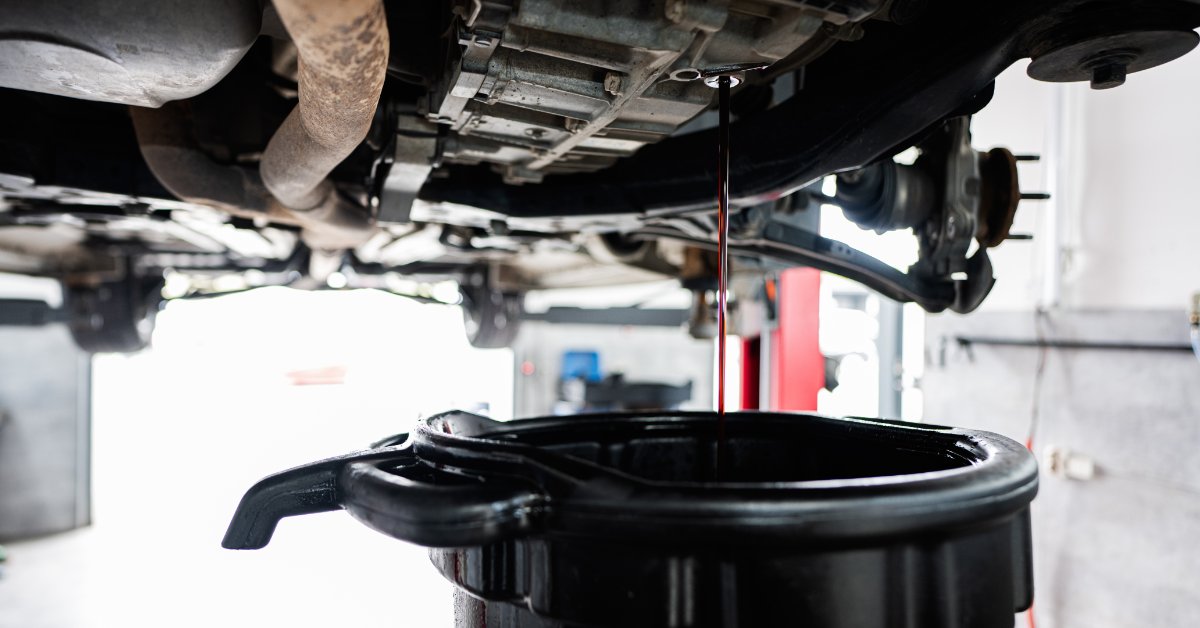
Modern vehicles rely on specialized equipment to limit the pollutants released through their exhaust systems. Catalytic converters reduce certain gaseous emissions, while particulate filters capture soot and other particles before they leave the vehicle. However, when engine oil enters the combustion process, some of its additive components can leave residues that affect this equipment.
For instance, phosphorus from certain lubricant additives can gradually reduce catalytic converter effectiveness. Ash-forming compounds may also accumulate in particulate filters, reducing their capacity and potentially shortening their service life. Using an oil formulated for the vehicle's emissions control equipment limits these risks while providing the protection the engine needs.
Low-SAPS Oil Formulations
Low-SAPS oils contain controlled levels of sulfated ash, phosphorus, and sulfur to improve compatibility with certain emissions control systems. These formulations are particularly useful for engines equipped with diesel particulate filters and other sensitive exhaust aftertreatment components.
Prevent Wear That Affects Engine Performance
Engine components gradually experience wear as they operate under repeated mechanical stress. Over time, excessive wear can increase internal clearances and weaken the seal between pistons and cylinder walls. These changes can reduce compression efficiency, let more combustion gases into the crankcase, and increase oil consumption.
To limit this damage, high-quality lubricants contain antiwear (AW) additives that protect metal surfaces when the oil film can't completely separate them. Maintaining these surfaces supports proper compression and reduces the risk of performance losses as the engine ages. Although lubrication can't reverse existing mechanical damage, it can slow further wear and preserve efficient operation over the engine's service life.
How To Maintain Lubricant Performance
Even high-quality motor oil gradually loses effectiveness as heat and contaminants accumulate during normal operation. Automotive shops and fleet managers can work with wholesale oil distributors to source lubricants that meet different vehicles' maintenance requirements. Combined with regular oil changes and proper servicing, choosing compatible products supports reliable engine performance and long-term efficiency.
Take these steps to maintain engine efficiency and reduce emissions over time:
- Follow recommended oil change intervals to prevent degraded oil from compromising engine protection and performance.
- Check oil levels regularly to maintain proper lubrication and prevent unnecessary friction and engine wear.
- Use the manufacturer's recommended viscosity grade and oil specifications to support efficient operation and reliable engine protection.
- Replace oil filters as recommended to remove contaminants that could accelerate wear and affect engine performance.
- Investigate unusual oil consumption to identify leaks or mechanical problems that could contribute to increased emissions.
- Adjust maintenance schedules for demanding conditions, such as frequent idling or heavy loads, to keep lubricants effective under greater operating stress.
Lower vehicle emissions start with more than just the exhaust system. Keeping internal engine components in good condition can improve fuel efficiency and reduce excess emissions. The right motor oil protects these parts from wear and buildup, supporting reliable performance over time. Browse Santie Oil Company's selection of automotive lubricants to find the right products for your vehicle's needs.