
Hydraulic systems depend on fluid every time a pump moves oil through a machine. When performance starts to slip, many operators look first at hoses, seals, or worn parts. The fluid deserves the same attention because its additive package helps control wear, heat, moisture, and deposits during daily operation.
Understanding how additives improve hydraulic system protection starts with one simple point: base oil can’t handle every operating challenge on its own.
Additives give the fluid specific properties that help pumps, valves, cylinders, and other components work with less friction and fewer interruptions.
Why Hydraulic Fluid Needs Additives
Base oil carries power through the system and creates a lubricating film between moving surfaces. Even so, hydraulic equipment often runs under pressure, changing temperatures, and exposure to contamination. Those conditions place demands on the fluid that base oil alone can’t manage well.
Manufacturers blend additives into hydraulic oil to support wear control, oxidation resistance, rust prevention, and stable fluid behavior. Each formula uses a different balance based on the type of equipment and the conditions it may face.
That balance matters. Adding more of one chemical doesn’t always improve performance because additives can interact with each other. A finished hydraulic fluid works as a system, which is why aftermarket treatments can cause compatibility or filterability problems.
How Anti-Wear Additives Protect Pumps
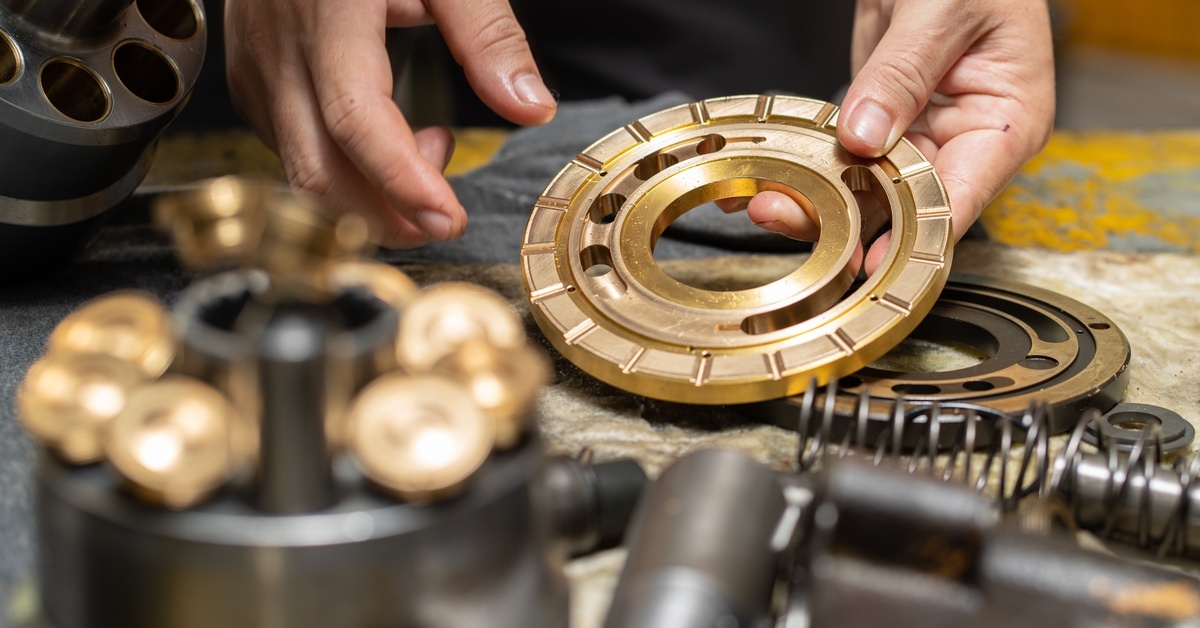
Hydraulic pumps contain parts that move under high loads and close clearances. When the oil film becomes too thin, metal surfaces may come into contact. Repeated contact can lead to scoring, loss of efficiency, and early component wear.
Anti-wear additives react at high-pressure contact points, forming a protective layer. That layer helps reduce direct metal contact without changing how the system operates.
Many hydraulic oils use zinc-based anti-wear chemistry, while others rely on zinc-free packages. Both can work well when they meet the pump manufacturer’s requirements. The right choice depends on equipment design, filtration needs, and service conditions.
Why Oxidation Control Matters
Heat and oxygen slowly change hydraulic oil. As oxidation progresses, the fluid can thicken and form acids, varnish, or sludge. Those byproducts may coat valves, restrict small passages, and shorten filter life.
Oxidation inhibitors slow the reactions that age the fluid. They help keep the oil cleaner and maintain its working properties for longer under normal conditions.
Additives can’t correct constant overheating. Operators still need to monitor reservoir temperature, cooling performance, and oil condition. When the system runs within its intended range, oxidation control helps the fluid hold up through more service hours.
How Additives Help Manage Rust and Water
Water can intrude into a hydraulic system via condensation, worn seals, washdown procedures, or inadequate storage. Once moisture contacts metal surfaces, rust and corrosion may develop.
Rust inhibitors form a protective layer on ferrous components, while corrosion inhibitors safeguard other metal parts from reacting with moisture or acidic byproducts. These substances work together to reduce surface damage, preventing debris loosening or interference with tight clearances.
Many industrial hydraulic oils contain demulsifiers, which facilitate separating water from the oil, making it easier for operators to drain or filter it out.
Signs Water May Be Affecting the Fluid
- Oil appears cloudy or milky
- Filters plug sooner than expected
- Metal surfaces show rust
- The fluid separates into visible layers
- System response changes after warmup
These signs point to a possible moisture problem, though they don’t identify the source by themselves. Maintenance teams should check the condition of seals, breathers, storage containers, and reservoirs before adding fresh oil.
How Foam and Air Affect Performance
Air can enter hydraulic fluid through loose fittings, low reservoir levels, suction leaks, or turbulent return flow. Some air forms surface foam, while smaller bubbles stay suspended in the oil.
Foam inhibitors help bubbles collapse at the surface, and air-release properties help remove entrained air more rapidly. Improved air control promotes steadier pressure and quieter pump operation.
However, additives cannot fix mechanical leaks or poor reservoir design. Persistent foam indicates a need to inspect inlet lines, fittings, fluid levels, and return-line placement. The additive package aids recovery, but addressing the underlying issue requires maintenance.

When Viscosity Modifiers Help
Hydraulic fluid must flow during startup and maintain sufficient film strength as the system warms. Viscosity modifiers help some multigrade fluids resist excessive thinning as temperatures rise.
Mobile equipment often operates over a wider temperature range than machinery in a controlled indoor setting. In those applications, a heavy-duty hydraulic oil with suitable viscosity characteristics may support cold starts and loaded operation across varying weather conditions.
Operators should also consider shear stability. Repeated mechanical stress can break down some viscosity modifiers and reduce high-temperature protection. Product data sheets and equipment approvals offer better guidance than viscosity grade alone.
Choosing a Hydraulic Fluid for the Application
The words “hydraulic oil” on a label don’t tell the full story. Buyers should compare the product’s additive system, viscosity grade, approvals, and expected operating range before making a selection.
Understanding how additives improve hydraulic system protection also involves examining how the fluid handles contamination and heat. A product may offer strong anti-wear performance but use different water-separation or zinc chemistry than another oil in the same grade.
Check These Product Details
- Equipment and pump approvals
- Viscosity grade and temperature range
- Anti-wear performance
- Oxidation resistance
- Water separation
- Air release and foam control
Avoid mixing products unless the equipment maker or lubricant supplier confirms compatibility. Two oils can share the same viscosity grade while using different base oils or additive packages. Mixing them may affect deposit control, water handling, or filter performance.
Supporting Longer Hydraulic System Life
Additives play a major role in hydraulic protection, yet fluid selection is most effective when paired with clean storage, proper filtration, and routine condition checks. Operators should also correct overheating, leaks, and sources of contamination before these problems shorten fluid life.
The right hydraulic oil helps protect pumps, control deposits, and support consistent response across the system. Santie Oil Company carries hydraulic fluids for industrial machinery, mobile equipment, and demanding service conditions.
Contact Santie Oil Company today for help comparing products and choosing a hydraulic fluid that fits your equipment, operating range, and maintenance needs.
.