

Choosing motor oil can be confusing when several products share the same viscosity grade but use different base oils. Those differences can affect how a lubricant performs during cold starts, high operating temperatures, and demanding driving conditions. Comparing conventional and synthetic blend oils makes it easier to understand what separates these options and where each works best. This guide breaks down their key characteristics so you can choose the right lubricant for your vehicle.
What Is Conventional Motor Oil?
Conventional motor oil uses mineral base oils that come from refined crude oil. Manufacturers then add performance-enhancing additives that manage wear, oxidation, deposits, and other conditions inside an engine. Together, the base oil and additive package determine how the finished lubricant performs.
Conventional oil has a long history of use in automotive engines. However, the base oil is only one part of the formulation, so you should also consider viscosity and performance specifications.
What Is Synthetic Blend Oil?
Synthetic blend oil combines conventional mineral base oils with synthetic base oils in one formulation. Adding synthetic components can improve certain performance characteristics without making the lubricant a full synthetic. There also isn’t a universal percentage of synthetic base oil that every product must contain to qualify as a synthetic blend.
When comparing conventional and synthetic blend oils, the synthetic portion can give the blend an advantage in areas such as temperature performance and resistance to breakdown. Still, the finished product’s performance depends on the entire formulation, not only the presence of synthetic base oil. That means two synthetic blends with the same viscosity grade may perform differently.
Performance in Hot and Cold Conditions

Temperature changes how oil flows, which affects lubrication throughout the engine. During a cold start, the oil needs to circulate quickly before the engine reaches its normal operating temperature. Synthetic base oils generally maintain better flow in low-temperature conditions than conventional base oils. Faster circulation can reduce the amount of time engine components operate with limited lubrication after startup.
High temperatures create a different set of challenges. Heat can accelerate oil degradation and increase evaporation, which may reduce the lubricant’s performance over time. Synthetic base oils usually offer stronger thermal stability in these conditions, but the correct oil still depends on the viscosity grade and specifications required by the manufacturer.
Oil Change and Maintenance Needs
Oil type doesn’t determine the correct service interval on its own. Engine design, lubricant formulation, operating conditions, and manufacturer requirements can all affect how often you should change the oil. For the most accurate guidance, check the oil-change interval listed in your owner’s manual or maintenance documentation.
Several factors can influence oil-change needs:
- Manufacturer recommendations: Follow the specified service interval or oil-life monitoring system.
- Driving conditions: Frequent short trips, towing, or heavy-duty operation can place additional stress on the oil.
- Operating temperatures: Repeated exposure to very hot or cold conditions can affect lubricant performance.
- Engine requirements: Use the viscosity grade and performance specification identified by the manufacturer.
- Oil condition: Unusual consumption or contamination can indicate a maintenance concern that needs further attention.
Which Suits Your Equipment?
Choosing between conventional and synthetic blend oil starts with the engine’s technical requirements. Factors such as viscosity grade, performance specifications, operating conditions, and manufacturer guidance can all influence which car lubricants fit best.
Viscosity grade describes how an oil flows at different temperatures. In a grade such as 5W-30, the first number relates to cold-temperature performance, while the second reflects viscosity at normal operating temperatures. Using the correct grade supports proper oil circulation and protection as the engine warms up. Always check the manufacturer’s recommended viscosity before choosing between conventional and synthetic blend options.
Consider Your Operating Conditions
Think about how you operate your vehicle throughout a typical service interval. Frequent cold starts, sustained high temperatures, towing, or heavy loads can place additional stress on motor oil. A synthetic blend may provide useful performance advantages under more demanding conditions. Under routine operating conditions, conventional oil may still be suitable when it meets all manufacturer requirements.
Check Performance Specifications
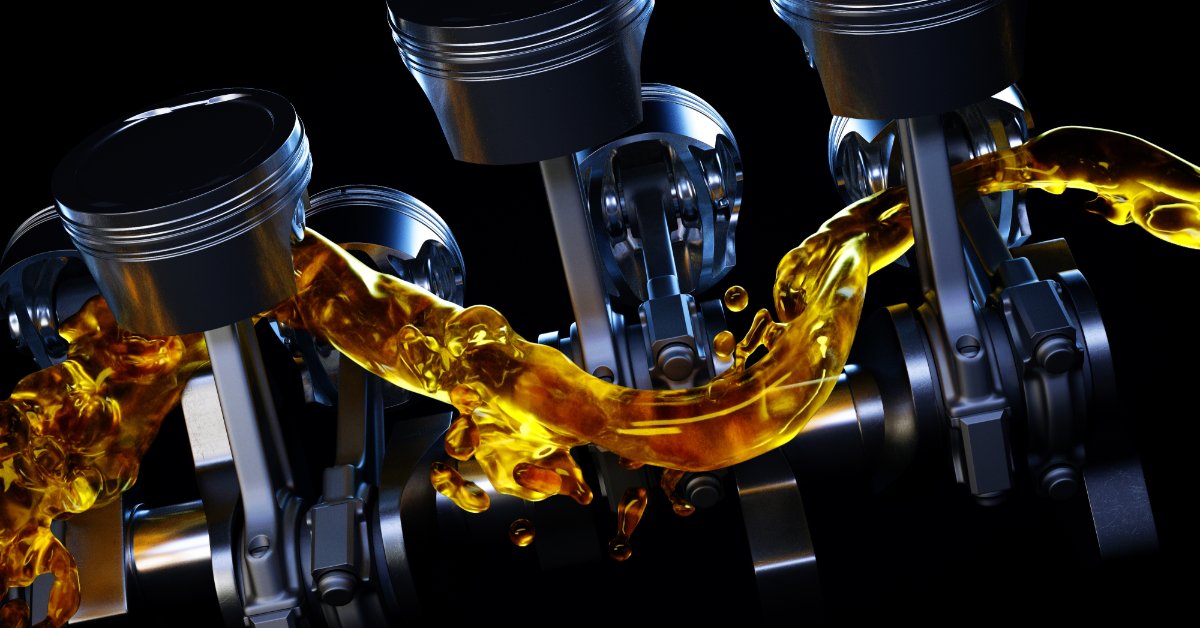
Performance specifications indicate how well an oil protects the engine under different operating conditions. They can cover wear protection, deposit control, sludge resistance, oxidation stability, and overall lubricant performance.
Control Deposits
Deposits can form when contaminants and degraded oil collect on engine components. Over time, those deposits can interfere with how parts move or transfer heat. Motor oil formulations include additives designed to reduce deposit formation and keep internal surfaces cleaner. Performance standards evaluate how effectively an oil manages this type of buildup.
Reduce Sludge Formation
Sludge is a thick, sticky buildup that can develop as oil breaks down or becomes contaminated. If enough sludge forms, it can restrict oil flow and prevent lubricant from reaching critical engine components efficiently. Detergent and dispersant additives help keep contaminants suspended so they’re less likely to collect into heavy deposits. Oil performance standards can include tests that measure resistance to sludge formation.
Resist Oxidation
Oxidation occurs when motor oil reacts with oxygen, especially at elevated temperatures. As oxidation progresses, the oil can thicken and form acids or other degradation products. These changes can reduce lubrication quality and contribute to deposits or varnish inside the engine. Oxidation-resistance requirements measure how well an oil maintains its properties under heat and extended use.
Protect Against Wear
Engine components move against one another under pressure, creating conditions that can lead to surface wear. Motor oil forms a protective film between those parts and may also contain anti-wear additives for added protection. Maintaining the correct viscosity matters because the oil must stay strong enough to separate moving surfaces. Performance specifications can include wear tests that show whether the lubricant provides adequate protection for its intended application.
Conventional and synthetic blend oils can both provide effective engine lubrication when they match the application. Their different base oil compositions mainly influence characteristics such as cold-temperature flow, heat stability, volatility, and resistance to viscosity breakdown. Start with the manufacturer’s viscosity and performance requirements, then consider how your vehicle operates throughout the service interval. The right oil keeps your engine running smoothly and protects components from wear.