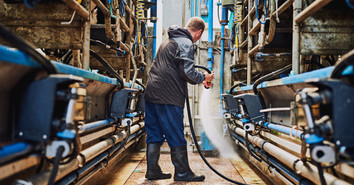
Industrial cleaning starts with the surface. A light oil film may call for a mild cleaner, while heavy buildup may need a stronger degreaser. That’s why choosing the right industrial degreaser for surfaces matters before crews treat a wide area.
The right product should remove residue without creating a new maintenance problem. When the cleaner matches the material and the soil, crews can work with more control. They can also protect finishes, seals, and surfaces that may react poorly to aggressive products.
Start With the Surface
Every surface reacts to cleaners in its own way. Steel may tolerate a stronger degreaser, but painted metal can dull or soften when the chemistry runs too aggressively. Aluminum and galvanized metal also require care, as some cleaners can stain or discolor them.
Plastic guards, rubber seals, and coated panels need extra caution. A product that cuts grease quickly can still leave haze, swelling, or changes in texture behind.
Protect Coatings and Components
Surface reaction affects more than appearance. A damaged coating can expose metal or create extra repair work. A swollen seal can also create a maintenance issue that didn’t exist before cleaning.
Before crews clean a visible area, they should test a small spot and check it after it dries. This step helps them catch problems before the product reaches a larger audience.
Concrete usually handles stronger cleaning better than sensitive materials. However, oil can settle into pores, requiring more contact time. The product needs enough strength to loosen the residue without leaving a slippery film.
Identify the Soil Before Choosing Strength
A degreaser needs to match the soil, not the worst-case assumption. Light oil film on a machine cover doesn’t need the same product as old grease near a hot bearing. When crews use excessive cleaning power, they can create residue, odors, or surface issues.
Fresh petroleum residue often lifts faster than buildup that has baked onto a surface. Thick grease may need more dwell time and light agitation. A cleaner that works well for routine maintenance may struggle when the soil has hardened.
Reduce Rework With Better Matching
Choosing by soil type helps control labor. The crew spends less time reworking the area, and the surface gets a cleaner finish on the first pass.
It also helps managers avoid product overuse. A cleaner should match the job without adding extra rinsing or handling needs.
Compare Water-Based and Solvent-Based Options
Water-based degreasers work well for many routine industrial cleaning jobs. They often fit floor care, equipment exteriors, and general shop maintenance. Many concentrated formulas allow crews to adjust strength based on the job.
Solvent-based degreasers can help with heavier petroleum residue or low-water cleaning tasks. They may suit parts cleaning or areas where water creates problems. However, they need careful handling, ventilation, and storage.
Choose by Process, Too
The cleaning method should guide the product. Spray-and-wipe jobs may need a different cleaner than soak tanks or pressure washing. Crews should also account for rinse water, drying time, and nearby materials.
No single category fits every job. The surface, soil, work area, and cleaning process should guide the choice.

Respect Dilution and Contact Time
Concentrated degreasers give crews flexibility, but they also require accurate mixing. A stronger mix doesn’t always produce a better result. Too much product can leave film, while too little can force another cleaning pass.
Contact time matters too. Degreasers need time to loosen the bond between soil and surface. If crews wipe the product off too quickly, grease may smear rather than lift.
Keep the Surface Wet
Crews should follow the label for dilution and dwell time. They should also keep the surface wet during that period. If the cleaner dries too soon, it may leave streaks or reduce performance.
This matters most on warm equipment or in areas with heavy airflow. In those conditions, crews may need to work in smaller sections.
Check the Work Area Before Use
A degreaser needs to fit the environment where crews will use it. Indoor areas may require low odor and strong ventilation planning. Outdoor areas may raise runoff concerns, especially near drains or soil.
Nearby equipment also matters. Overspray can reach surfaces that don’t need cleaning, and some cleaners may affect labels, coatings, or exposed parts. Covering sensitive areas before cleaning can prevent avoidable damage.
Storage and handling deserve attention as well. Crews should read the product label and safety data sheet before use. Those documents guide personal protection, first aid, storage, and disposal.
Use a Test Spot on Sensitive Surfaces
Testing helps crews catch problems before they spread across a large area. It works especially well on painted equipment, decals, plastic panels, and rubber components. A small test can reveal dulling, softening, or residue after the surface dries.
Use a simple process:
- Apply the cleaner to a hidden spot
- Wait for the directed contact time
- Wipe or rinse the area
- Let the surface dry
- Check for changes
That quick check supports better decisions without slowing the job too much. It also gives supervisors a clear way to approve a cleaner for regular use.
Know When the Problem Isn’t Grease
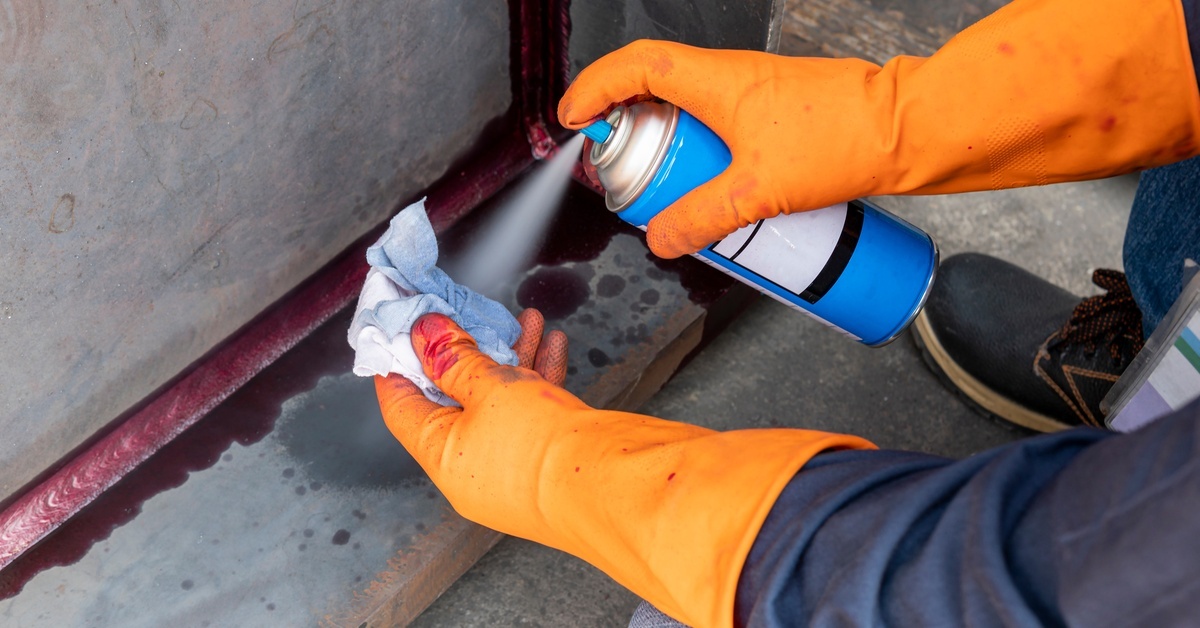
Some buildup looks dirty, but a degreaser won’t solve it. Mineral scale, rust-colored deposits, and hard-water residue need a different type of cleaner. When crews see that kind of buildup, an industrial descaler may be a better fit than a degreaser.
This distinction can save time. Degreasers target oily residue. Descaling products target mineral buildup. Matching the cleaner to the deposit helps crews avoid repeated passes with the wrong product.
A quick visual check can help. Grease usually feels slick or tacky. Scale often feels hard, rough, or chalky. If the residue doesn’t respond to degreasing, crews should reassess before using a stronger mix.
Build a Consistent Cleaning Plan
Facilities often clean several surface types in one shift. A single cleaner may work for routine areas, while a second product may handle heavier buildup. A clear plan helps crews avoid guesswork and keeps product use consistent.
Make the Plan Easy to Follow
Labels and training matter. Crews should know which product is best for each area, how to mix it, and how long to let it work. They should also know which surfaces need testing before routine use.
A simple plan can reduce product waste and repetitive labor. It also helps purchasing teams choose supplies with a clearer purpose.
Get the Right Product Support
For many operations, choosing the right industrial degreaser for surfaces comes down to a few questions. What material needs cleaning? What residue needs removal? Where will crews use the product? How much rinsing can the area handle?
Santie Oil Company supplies cleaners and degreasers for industrial, automotive, government, and reseller customers. The right product conversation should cover the surface, the soil, and the cleaning process. That way, teams can choose a degreaser that fits the work rather than forcing a single product for every job.
When your operation needs support comparing degreaser options, Santie Oil Company can help you review products that match your surfaces and maintenance needs.