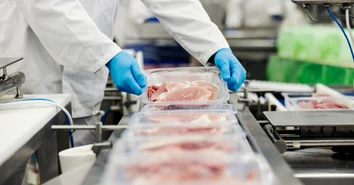
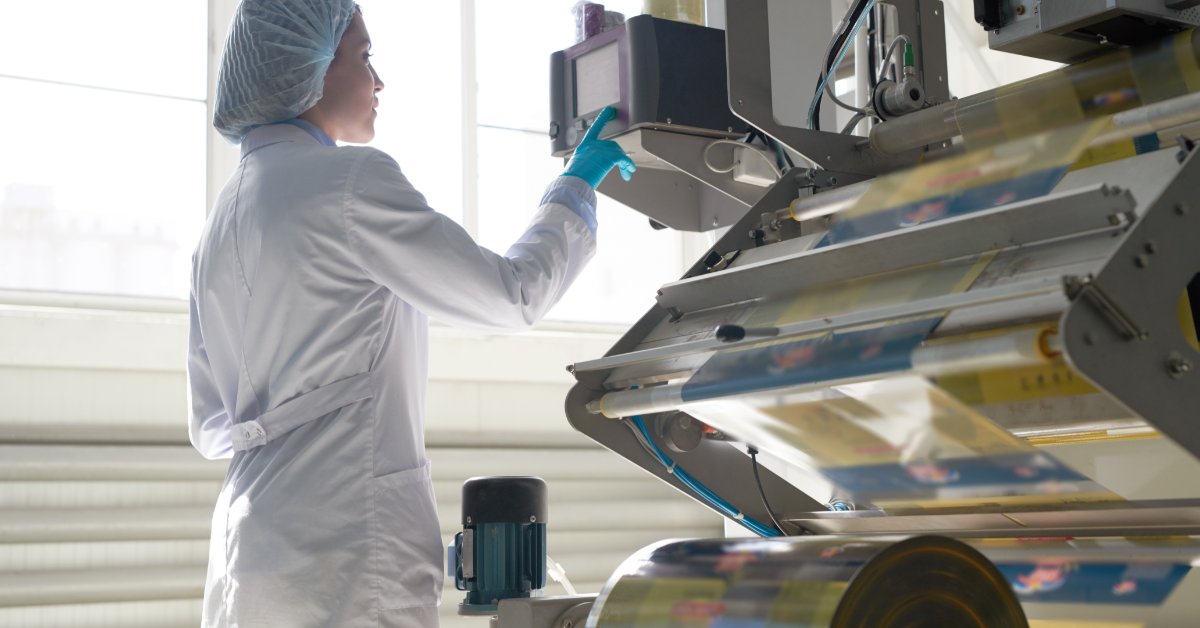
Conveyors move containers through each stage, sealing equipment adds heat, and bearings keep production moving without interruption. When the wrong lubricant enters the system, friction rises, parts wear faster, and maintenance problems can spread across the line.
Choosing lubricants for food packaging machinery starts with understanding where each product works and the conditions it must handle. Food-contact risk matters, but each lubricant still needs to protect the component under load, heat, moisture, and repeated service.
Careful selection supports safe production and reduces avoidable wear.
Evaluate Every Lubrication Point
Packaging equipment often contains several lubrication points, each with different product needs. A chain near an open package faces different risks than a gearbox inside a sealed housing. Bearings close to a heat sealer may also need stronger temperature resistance than components in a cooler section of the line.
Start with the equipment manual. It should list the lubricant type, viscosity grade, service interval, and any compatibility requirements. Use that information as a baseline, then compare it with machine conditions.
Location can also affect product selection. Lubrication points above exposed food or packaging materials require closer attention than enclosed components below the line. Mapping each point gives the maintenance team a clear picture of where incidental contact could occur.
Test the Lubricant in One Area First
When possible, apply the new lubricant to one compatible component before expanding the change across the line. Track leakage, relubrication needs, and operating temperature during normal production. A limited trial gives the maintenance team clearer evidence before updating similar lubrication points.
Know Where Food Contact Can Occur
Facilities often use H1 lubricants where incidental food contact may happen. These products support applications where a small, unintended amount of lubricant could reach food during normal operation.
That classification doesn’t allow routine food contact. Technicians should still apply only the amount the equipment needs and prevent leaks wherever possible.
H2 lubricants serve areas where contact with food can’t occur. A product may protect a bearing well, yet it may still create a compliance concern when used in the wrong zone. Clear labels and accurate lubrication records help technicians select the correct product for each area.
Match the Lubricant to the Component
Food-safe status doesn’t replace mechanical performance. The product needs the right viscosity, base oil, and thickener system for the application.
A chain lubricant must penetrate pins and bushings without creating heavy drip. Bearing grease needs enough stability to stay in place under load. Gear oil must maintain a protective film during long production runs.
Review the product data sheet against the equipment manual before making a change. When the information doesn’t align, contact the equipment manufacturer or a qualified lubricant supplier.
Account for Heat Near Sealing Equipment
Heat affects how a lubricant moves and how long it lasts. Oil may thin near sealing equipment, while some greases can harden or leave residue after extended exposure.
Check the product’s operating temperature range against normal machine conditions, including spikes during long runs. A lubricant may perform well at startup yet struggle after several hours near a heat source.
Watch for dark residue or grease that feels hard around the application point. These signs may show that the product can’t handle the temperature. Frequent relubrication can point to the same problem.
Consider Cleaning and Washdown Conditions
Water and cleaning chemicals can strip lubricant from exposed components. Moisture may also enter bearings through worn seals or high-pressure spray.
For wet zones, review water resistance and corrosion protection. Grease should stay in place during cleaning without softening or leaking. Chain oil should resist washout while still reaching internal contact points.
Sanitation routines can affect service intervals. Equipment that receives daily washdowns may need inspection more often than machinery in a dry packaging area. Coordinate maintenance with sanitation schedules so technicians can check exposed points after cleaning.
Check Seals, Plastics, and Other Materials
Lubricants may touch seals, hoses, plastics, or painted surfaces during normal service. An incompatible formulation can swell a seal, weaken a hose, or damage a coating.
Pay close attention when switching from mineral oil to a synthetic product. Synthetic lubricants may handle temperature changes well, though their compatibility varies by formulation and material.
Record the previous lubricant before making the switch. Clean or purge the component when the manufacturer recommends it, and inspect the area after startup.
Prevent Cross-Contamination During Handling
A suitable lubricant can still create risk when technicians use a dirty container or the wrong grease gun. Storage and transfer practices should protect the product from the moment it arrives.
Keep the Program Organized
Use simple controls that make product identification clear:
- Assign labeled grease guns to specific products
- Store food-use lubricants away from general industrial products
- Keep transfer containers closed when they aren’t in use
- Record each lubrication point and service interval
Color coding can help, though every container should still display the product name and application. Training also matters. Each technician needs to understand why similar-looking lubricants may serve different parts of the facility.
Set the Right Relubrication Schedule
Too little lubricant allows friction and wear to rise. Too much grease can create heat, damage seals, or push excess product toward the packaging area.
Follow the equipment manufacturer’s quantity and interval guidance. Don’t add lubricant based only on the appearance of a fitting or housing.
Operating conditions may call for schedule changes. Long production runs can shorten service life, and frequent washdowns can remove lubricant faster. Inspection findings can help the team adjust timing without relying on guesswork.

Ask the Right Questions Before Switching
A lubricant change should solve a clear performance or compliance need. Before replacing a product, ask whether the current lubricant fails under heat, washes away during cleaning, or creates compatibility concerns.
Review the new product’s documentation against the existing application. Confirm the viscosity grade and food-contact category, then check whether the equipment manufacturer allows the base oil and thickener type.
These questions help prevent unnecessary changes. They also give the maintenance team a clear reason for the switch and a way to judge performance afterward.
Choose Lubricants With Long-Term Reliability
Choosing the right lubricants for food packaging machinery takes more than matching a product label to a machine. Each lubricant must fit the component, operating conditions, and the facility’s food safety program.
Santie Oil Company supplies food-grade lubricants for packaging equipment and other food-processing applications. Contact the team for help with product selection, compatibility questions, or hard-to-find lubrication needs.